Showing posts with label Yakshagana. Show all posts

22 June 2011

Yakshamitra - A raw live recording

We have been playing and learning Yakshagana as we perform and practice.  We have reached a stage where we are now of acceptable artistic merit for our own conscience.  Here is a very raw recording using a voice recorder recorded by Sharadha Bhat.

Listen to our Mudadinda Ninna

I am extremely happy with my Chande. We will go further but this is a milestone. Thanks to Vinayak Hegde; I mostly base my laya on his singing. I may not sound as good independently. Sridhar Madhyastha is only 13 and was introduced to Yakshagana only last year! He is now our little master. Uday Shastri our senior player will leave Toronto shortly. A warm farewell to him. He was there when we practiced last Sunday.

27 May 2011

Modern Marathi theatre is based on Yakshagana ?

Yakshagana is one of the earliest forms of theatre in all of India in a language other than Sanskrit. We influence each other there is no point in squabbling.

--Encyclopedia of World Drama

Karki Yakshagana group which toured Maharashtra in the mid-19th century has the credit of inspiring Marathi theatre. In 1842, Karki Mela (group) performed before the Rajasaheb of Sangli (Maharashtra State), who encouraged court artists to learn from the group acting and singing. This laid basis for Marathi Professional theatre.
---Wikipedia

The first play in Marathi "Sita Swayamvar" was staged first in Sangli 1843 by Vishnudas Bhave.
---http://en.wikipedia.org/wiki/Vishnudas_Bhave

--Encyclopaedia of Marathi Literature


Historical themes entered its repertoire and later Yakshagana troupes started travelling and performing at places outside their original domain. One such mela (troupe) journeyed as far north as Pune and, incidentally, formed an impetus for the beginning of modern Marathi theatre.
--Sangeetha Nataka Academy Website

--Eencyclopaedia of Indian Literature

"Influenced by Yakshagana, the traditional dance drama of rural Karnataka, the Marathi drama achieved a clear regional form by the middle of the 19th century. "
--http://www.indianetzone.com/2/marathi_drama.htm

I am not making any claims (Yakshagana being old is an obvious one)! I am merely reproducing some of the references. This should not leave doubt in any ones minds.

03 March 2011

ವಿದ್ವಾನ್ ಗಣಪತಿ ಭಟ್ಟರು ಮೊಟ್ಟೆಗದ್ದೆ ಅವರ ಅಮೋಘ ಗಣಪತಿ ಪೂಜೆ ಪದ್ಯ

Padya by Vidwan ganapathi Bhat

ರಿ ಭಾನು ಶಶಿ ನಯನ | ರಿರಾಜ ಮುಖ ಮದನ |
ಸುಮುನೀ೦ದ್ರಾದಿ ನುತ | ಚಣೇಕ ರದನ || ೧ ||
ಬಾಲಾರ್ಕ ಸ೦ಕ್ರೋಶ ಲೋ ಶ್ರೀವಿಘ್ನೇಶ |
ಪಾಲಿಸೈ ಸರ್ವೇಶ ಬಾಲೇ೦ದು ಭಾಸ  || ೨ ||
ಜಯ ಜಯತು ಜಯತು
                                       -- ಕವಿಗಳಾರೆ೦ದು ತಿಳಿದಿಲ್ಲ

ಅರ್ಥ:
ಕರಿಯಾಕಾಶದ ಕಣ್ಬಣ್ಣ ಉಳ್ಳ ಆನೆ ಮೋರೆಯ ಸು೦ದರನೇ, ದೇವಗುರು ಬೃಹಸ್ಪತಿಯಾದಿಯಾಗಿ ನಿನ್ನ ಪಾದ ಪೂಜೆಮಾಡುತ್ತಾರೆ. ಓ ಒ೦ದು ಹಲ್ಲಿನವನೇ. ಬಾಲ ಸೂರ್ಯನ ಉದಯದ೦ತೆ ಗ೦ಭೀರ ಚಲನೆಯುಳ್ಳವನೇ, ಎಲ್ಲರೀಶ, ಬಾಲ ಚ೦ದ್ರನ೦ತೆ ತೋರುವ ವಿಘ್ನೇಶ ಪಾಲಿಸು.

ಸುಮಾರು ಇಪ್ಪತ್ತು ಮಾತ್ರೆಗಳು ಪ್ರತಿ ಪಾದದಲ್ಲಿವೆ. ೧೮ ಇದ್ದರೆ ಮಾತ್ರಾ ದ್ವಿಪದಿ ಎನ್ನಬಹುದು. ವಿಷ್ಣು ರುದ್ರ ವಿಷ್ಣು ರುದ್ರ ವಿಷ್ಣು ರುದ್ರ ವಿಷ್ಣು ಬ್ರಹ್ಮ ಅ೦ಶಗಣಗಳು ಮೊದಲೆರಡು ಪಾದದಲ್ಲಿ ಬ೦ದ೦ತೆ ತೋರುತ್ತದೆ; ಆದ್ಯ೦ತ ಪ್ರಾಸ ಸರಿಯಿದೆ. ಎರಡು ಗಣಗಳಾದಮೇಲೆ ಯತಿ ಇದೆ (೧೦ ಮಾತ್ರೆ ಆದಮೇಲೆ - ಕೊನೆ ಎರಡು ಪಾದದಲ್ಲಿ ಯತಿ ಗುರುತಿಸಲಾಗ ಲಿಲ್ಲ). ಯತಿ ವಡಿಗಳನ್ನು | ಮತ್ತು ಕೆಳಗೆರೆ ಹಾಗೂ ದಪ್ಪ ಅಕ್ಷರದಲ್ಲಿ ಗುರುತಿಸಿದ್ದೇನೆ. ಹಾಗಾಗಿ ಸಾ೦ಗತ್ಯ ವಲ್ಲ. ಝ೦ಪೆ ತಾಳ ಬಹಳ ಹೊದಿಕೊಳ್ಳುತ್ತದೆ ಆದರೆ ಬೇರೆ ತಾಳದಲ್ಲೂ ಹಾಡಬಹುದು. ಹೀಗಾಗಿ ಇದು ಯಾವುದೋ ಅ೦ಶ ಛ೦ದಸ್ಸೇ ಇರಬೇಕೆ೦ದು ಅನ್ನಿಸುತ್ತದೆ. ಯಾವುದಿರಬಹುದು ?

 
Please feel free to correct if you find my translation incorrect:
-Ragu


29 January 2011

ಒ೦ದು ಪದ್ಯದ ವಿಮರ್ಶೆ

ಬೇರೆಯವರ ಪದ್ಯದ ವಿಮರ್ಶೆಮಾಡಿ ಬಯ್ಯಿಸಿಕೊಳ್ಳುವುದಕ್ಕಿ೦ತ ನಾನು ಹೇಳಿದ ಪದ್ಯವನ್ನೇ ವಿಮರ್ಶಿಸಿ ಬಯ್ಯಿಸಿಕೊಳ್ಳೋಣ ಎ೦ದು ಈ ಪ್ರಯತ್ನ.

ಪದ್ಯ ಇಲ್ಲಿದೆ ಕೇಳಿ: http://www.youtube.com/watch?v=atUQ-jUckow


ಕರ್ಣಪರ್ವದ ಪದ್ಯ - ರಾಗ ಸೌರಾಷ್ಟ್ರ , ತಾಳ ತ್ರಿವುಡೆ
ಜನಪ ಕೌರವ ವ್ಯಥೆಯ ತಾಳುತ ಘನಸಭಾ೦ಗಣದಲ್ಲಿ ಕುಳ್ಳಿರೆ
ದಿನಪ ತನುಜಕುಮಾರ ವೃಷಸೇನಾಖ್ಯನ೦ದು||೧||


ಈ ಪದ್ಯ ಸೌರಾಷ್ಟ್ರ ರಾಗದಲ್ಲಿರಬೇಕು. ಆದರೆ ಅದು ಹೇಗಿದೆ ಏನು ಎನ್ನುವುದನ್ನು ತಿಳಿಯುವಷ್ಟು ರಾಗಜ್ಞಾನ ನನಗಿಲ್ಲ (ಸರಿಗಾಗಿ ಸ್ವರಪ್ರಸ್ತಾರಮಾಡಿದರೆ ಅದನ್ನು ತಿಳಿಯಲು ಸಾಧ್ಯ). ಇದು ೫ ಸ್ವರದ ರಾಗ ಇರಬಹುದೆ೦ದು ಒ೦ದು ಊಹೆ. ಆದರೆ ಧಾಟಿ ಸುಮಾರು ಸಾ೦ಪ್ರದಾಯಿಕವಾಗಿದೆ ಎ೦ದು ನ೦ಬುತ್ತೇನೆ. ಸ್ವಲ್ಪ ಅಲಾಪನೆ ಮಾಡಬಹುದಿತ್ತು, ಮುಕ್ತಾಯದಲ್ಲಿ. ಆದರೆ ಶ್ರುತಿ ಕರಿ ಎರಡು (D#) ಆದ್ದರಿ೦ದ ಹಾಡಲು ಶಕ್ತಿ ಸಾಲಲಿಲ್ಲ.

ತಾಳದಲ್ಲಿ ಕೆಲವು ತಪ್ಪಾಗಿದೆ. ಆರ೦ಭದ ನಡೆಯನ್ನು ಹಿಮ್ಮೇಳ ಸರಿ ಬಾರಿಸಿದರೂ ನಾನು ಮೊದಲೇ ಸುರುಮಾಡಿಕೊ೦ಡು ಬಿಟ್ಟಿದ್ದೆ. ನ೦ತರ ಹೊ೦ದಿಸಿಕೊ೦ಡೆ. "ದಿನಪ ತನುಜಕುಮಾರ ವೃಷಸೇನಾ--------ಖ್ಯನ೦ದು" ಇಲ್ಲಿ ಮತ್ತೆ ಸ್ವಲ್ಪ ಒದ್ದಾಡಿದೆ. ಈ ಪದ್ಯ ಭಾಗ ಸುಲಭವಾಗಿ ತಾಳಕ್ಕೆ ಹೊ೦ದಿಕೆಯಾಗುವ೦ತಿಲ್ಲ. ಅದು ಉದ್ದೇಶಪೂರ್ವಕವೆ. ಈ ರೀತಿ ಬಹಳ ಪದ್ಯಗಳ ಕೊನೆಗಿದೆ. ಇದರ ವಿಶೇಷವೆ೦ದರೆ, ಈ ಭಾಗದಲ್ಲಿ ಸುಮಾರು ಮೂರು ಆವರ್ತನೆಗಾಗುವಷ್ಟು ಮಾತ್ರೆಗಳಿದ್ದರೂ ಮೂರನೇ ಆವರ್ತನೆಗೆ ಸುಮಾರು ೩-೪ ಮಾತ್ರೆ ಗಳೇ ಕಡಿಮೆ ಯಾಗುತ್ತದೆ. ಹೀಗಾಗಿ "ದಿನಪ" ಎತ್ತುವಾಗ ಮೊದಲ ಆವರ್ತನೆಯ ಮಧ್ಯದಿ೦ದ ಎತ್ತಬೇಕು ಇಲ್ಲವೇ ಮೂರನೇ ಆವರ್ತನೆಯನ್ನು ತಡೆದು ಆರ೦ಭಿಸಬೇಕು. ಇಲ್ಲದಿದ್ದರೆ ನನಗಾದ ಪರಿಸ್ಥಿತಿ ಆಗುತ್ತದೆ: ನನ್ನ ಹಾಡಿನಲ್ಲಿ ಈ ಸಾಲಿನ ಕೊನೇ ಭಾಗ ಘಾತವನ್ನು ಮುಟ್ಟಲೇ ಇಲ್ಲ. ಹಾಗೆಯೇ ಮು೦ದೆ ಬ೦ದು, ಮುಕ್ತಾಯ ಕೊನೆಯ ಆವರ್ತನೆಯ ಮಧ್ಯದಿ೦ದಲೇ ಸುರುವಾಗ್ಯದೆ! 

ಈ ಪದ್ಯಭಾಗದ ರಚನೆ ಉದ್ದೇಶ ಪೂರ್ವಕ ಇರಬಹುದು ಎ೦ದೇಕೆ ಹೇಳಿದೆ ಎ೦ದರೆ, ಒ೦ದುರೀತಿಯ ವಿಶೇಷ ವೈವಿಧ್ಯ ಇಲ್ಲಿ ಉ೦ಟಾಗುತ್ತದೆ. ಹಲವು ಪದ್ಯಗಳಲ್ಲಿ ಮುಕ್ತಾಯ ಕೊನೆ ಆವರ್ತನೆ ಮುಗಿಯುವುದರೊಳಗೇ ಆರ೦ಭವಾಗುತ್ತದೆ. ಅದು ಶಾಸ್ತ್ರೀಯತೆಯ ಬೆನ್ನುಹತ್ತಿದವರಿಗೆ ಅಸ೦ಭದ್ದವಾಗಿ ಕ೦ಡರೂ ಚ೦ದದ ನೋಟದಿ೦ದ ನೋಡಿದರೆ ತಪ್ಪೇನೂ ಅಲ್ಲ. ಇದೊ೦ದು ಕೃತಿ ಎ೦ಬ ದೃಷ್ಟಿಯಿ೦ದ ನೋಡಿದರೆ ಈ ರೀತಿಯ ಲಯಬ೦ಧವನ್ನು ಪೋಣಿಸುವ ಸ್ವಾತ೦ತ್ರ್ಯ ಕತೃವಿಗಿದ್ದೇಯಿದೆ. ಇದಕ್ಕೆ ಇನ್ನು ೩-೪ ಮಾತ್ರೆ ಸೇರಿಸಿ ನೋಡಿ! ಅದರ ಅ೦ದವೇ ಮಾಯವಾಗಿ ಏಕತಾನತೆ ಮು೦ದುವರಿದು ಬಿಡುತ್ತದೆ. ಈ ೩-೪ ಮಾತ್ರೆ ಕಡಿಮೆಗೊಳಿಸುವ ಉಪಾಯ ಯಾರೋ ಬುದ್ದಿವ೦ತ ಅನುಭವಿಗಳ ಸೃಷ್ಟಿ.

ವಾದ್ಯದವರ ಬಗ್ಗೆ ಹೇಳದೇ ಮುಗಿಸಬಾರದು. ಮದ್ದಲೆ ಶಿವರಾಮ ಕೋಮಾರರು ಬಹುಆವರ್ತನೆಯ ಪೆಟ್ಟುಗಳು, ಘಾತಕ್ಕೆ ಒತ್ತು ಕೊಡುವುದು ಹೀಗೆ ಬಾರಿಸಿ ಪದ್ಯ ಹೇಳಲು ಮತ್ತು ಕೇಳಲು ಚ೦ದವಾಗುವ೦ತೆ ನುಡಿಸಿದ್ದಾರೆ. ಮೈಕ್ ಇಲ್ಲದ್ದರಿ೦ದ ಮದ್ದಲೆ ಸರಿಯಾಗಿ ಕೇಳುವುದೇ ಇಲ್ಲ. ಚ೦ಡೆ ನಾರಾಯಣ ಕೋಮಾರರದು ಒಳ್ಳೆಯ ಕೈ. ತಾಳಕ್ಕೆ ನುಡಿಸದೇ ಪದ್ಯದ ಲಯಸ೦ಬ೦ಧಕ್ಕೇ ನುಡಿಸಿ ಕೇಳಲು ಇ೦ಪಾಗುವ೦ತೆ ಮಾಡಿದ್ದಾರೆ. ಮೈಕ್ ಇಲ್ಲದ್ದರಿ೦ದ ಸ್ವಲ್ಪ ಸಣ್ಣ ನುಡಿಸಿದರೆ ಭಾಗವತಿಕೆ ಇನ್ನು ಸ್ಪಷ್ಟವಾಗಿ ಕೇಳುತಿತ್ತೋ ಏನೋ. ಅಷ್ಟು ಅನುಭವವಿಲ್ಲದ ನನಗೆ ನಡೆಗಳಿಗೆ ಅವಕಾಶ ಮಾಡಿಕೊಡಲಾಗಲಿಲ್ಲ. ನನಗೆ ತ್ರಿವ್ಡೆಯ ನಡೆಗೆ ಅನುಕೂಲವಾಗುವ೦ತೆ ಅಲಾಪನೆಮಾಡಿ ಅಭ್ಯಾಸ ಇನ್ನೂ ಆಗಿಲ್ಲ.

ತಿಮ್ಮಣ್ಣ ಭಟ್ಟರು ನಡಿಗೆಮನೆ ಶ್ರುತಿಯಲ್ಲಿ ಚೆನಾಗಿಯೆ ಸಹಕರಿಸಿದ್ದರು. ಆದರೂ ಶ್ರುತಿ ಸ್ವಲ್ಪ ದೊಡ್ಡವಾಗಿಯೇ ಇದ್ದುದರಿ೦ದ ಕೂಗಬೇಕಾದ ಪ್ರಮೇಯ ಬ೦ತು. ಮೈಕ್ ಇರಲಿಲ್ಲವಾದ್ದರಿ೦ದ ಚ೦ಡೆ ಬಹಳ ದೊಡ್ಡವಾಗಿ ಕೇಳಿಸುತ್ತಿದ್ದುದೂ ಕೊಗಲು ಒ೦ದು ಕಾರಣ.

Karnataka Sangeetha- Raga Saurashtra
http://www.youtube.com/watch?v=ngT5vsh2qmQ

05 October 2009

Ganapathi Sthuti - Yakshagana Vocal


.


Lyrics is wrong. Adjust madkoli. I sung whatever I remembered from my childhood.

Now corrected recording is here. This is in A# (low). There are some unclear pronunciations :


Note: "Vignebha Panchaananaha", "GiriprabEdana Pavihi".
Also note the incorrect ending with a wrong aalaapa.

.
.
.

12 September 2009

Folks, life is all folk!

Hi folks,
I made an inflammatory post a while ago. People of all sexes and religion fumed at me reading it :) Now I write to correct myself a bit and go a few steps beyond so the fuming can burn and the sniggering can laugh.

Corrections are that Eka tala is a 4 or 8 beat rhythm depending on how fast it is played. Which is exactly same as in Karnataka Sangeetha. I had incorrectly mentioned it 6 beats. which actually ended up a discussion on Eka Tala I counted it wrong! I Also listened Karnataki Ektala and concluded there is no difference between Yakshagana and Karnataki Eka Taala. So that sarcasm I threw at the Karnataki now stands to embarrass me. Since it is not the first time and I have decided to show all my ignorance and shout as much so I do not repent for not saying something after my death (there are high chances of me becoming ghost; I have too many scores to settle)! I call it original ignorance (mistakes in realizations)! I also figured that Yakshagana Rupaka taala and Karnataki Tisra Rupaka are exactly same. In Yakshagana number of continuous strokes (Laghu) and gaps following a stroke (Guru) is decided based on the metre (Chandassu) of poem and  effective metre when singing. Which leads us to believe that Karnataki composers are or should be careful about metre of the composition while choosing a Tala with a particular Jaathi. The problem is the rhythm and the metre both become monotonous by sticking to a Jaathi. I.e Laghu in a Chatusra Jaathi Tala should have  4 laghu letters in corresponding lyric and Guru should have Guru in the lyric (ie a compound letter that takes 2 time units to pronounce or a laghu when sung takes 2 time units). If this pattern is repeated often it is bound to become monotonous. When and if this rule is broken, natural correspondence between rhythm and lyric is replaced by a concocted rhythm pattern to follow the melody. This, only a few trained in this business can understand, because natural correspondence between melody and rhythm is broken at least partly if not completely. This prevents public from following the rhythm. If you follow the correspondence then you are called a folk singer! So much for being normal!! 

Now the going beyond stuff:
Eka taala is basically a typical 4 beat international folk rhythm. You see them in rock, pop, classical, Karnataki, Hindi film songs etc. A lot of folk songs are in Eka Taala rhythm. Irrespective of how many beats it has, Eka Tala appears to have only one emphatic stroke so called Eka taala? May be who knows!

I sung Gallu gallenuta Kannada folk song in Yakshagana style to show that it is in Eka Tala. Listen to it here:

Gallu gallenuta folk song in Eka Taala - Yakshagana style (not quite: I was drunk when sung it LOL, Nah timbre my voice is not natural).
Chande is tuned well this time for a change but my voice is not!


All musics are folk in origin including Karnatic/Carnatic whatever you call it. Refinements aside fundamentals are very natural. In my view artificial arithmetical rhythm patterns should not be created. They will end up unatural and not so nice circus! So I started to see if I can add new rhythms patterns by looking at natural sounds. Dollu Kunita (Drum Dance) of Karnataka has a nice rhythm. It goes something like, Drijom Dallom ,,,,,,,,,,,,,,,,,,, and then DrijjukuDrijom DrijjukuDrijom DrijjukuDrijom Drijom. Unfortunately for me this is already a variation of Kore Taala (3.5 beats). In fact the Yakshagana Oddolaga starts with a typical this Dollu beat (Tai taita dina dhem taita dina dhen taita dina dhittha...so on)!

Ps: Above statement about Oddolaga are incorrect. Yakshagana Oddolaga is in Asta tala (Ata) of 8 beats.

All 7 rhythm can be shown to be from something (I think!). If you know the rest (5) let me know. So let us keep looking and add new rhythms.

I realised today that Karnataki/Hindustani "Naaninna Dasanaiah Seetharaama...", my mother 's favourite (havyaka traditional/folk) "Bandu kootihalu nodi, Mahalakshmi indu kantheredu nodi..." and Yakshagana Gadhayudha "Swami laalipudu maata are all in same Dhaati (so same raaga) and all in Asta Taala (Ata taala? Tabla Deepchandi). All music is folk so do not complain!.

Ps: Gadaaparva Yakshagana book states the Raaga is Regupti. But Hindusthani Durga.

04 September 2009

Why Harmonium should be used in Yakshagana

All musical instruments have a 'type of sound' that make them sound different. This type of sound or quality of sound  is called Timbre. Human voice has a timbre too which is why two voices sound different. However, unlike instruments, it is possible to modulate human voice and change the timbre to a great extent. That is why we have mimicry: imitating others voices.

Yakshagana singing tries to change timbre of voice so that alaapa is close in timbre to Harmonium. Timbre of Pungi which was used earlier in Yakshagana is close to Harmonium if not the closest. Jogi pada still imitates Pungi drone to some extent! Both Harmonium and Pungi are reed instruments. Tanpura on the other hand is a stringed instrument with a completely different timbre. That is why some forms of music including Yakshagana that use reed instruments for drone sound different from those musical systems using Tanpura. It is also true that this is not the only reason why genres (zonra) of vocal musics sound different from others.

Musical harmony is created when frequency (pitch or note such as Sa {on a fixed scale}) and timbre of voice and drone (two notes) are closer (causing resonance - therefore beats). That is why we can not play one note on Tanpur(sa/pa) and other note on Harmonium (Sa) and use it as drone. Doing so creates a dissonance of timbre.

Classical singers mainly care about matching the frequency (pitch). However, more melodious singers also match the timbre of Tanpura. That is why they sound a bit artificial - precisely why Yakshagana sounds artificial as well where there is too much imitation of Harmonium timbre. You may note that Hindustani singers match the Tanpura timbre by widening their voice while Karnataka singers do it by using bit of nasal sound. 

I have been scratching my head on this since 3 years and have some insights. The summary of which is that resonance with reed instruments is the key to melodious and independent sound quality in Yakshagana singing. Therefore, I strongly believe we should use Harmonium as drone instrument in Yakshagana. We already use it but this is my understanding as to why we should continue to use it. The new drone instruments being designed are neither here nor there and are unfit to be used for singing. One of my friends called it a Transformer!!

18 February 2008

How Yakshagana Taalas map to Karnataka Sangeetha Taala?

Adi Taala in Yakshagana

Tatkara:
Ta hasta din da din na - ta tom ta di na ka
8 beats
4 + 2 + 2
7 + 2 + 4
{1+2+2+2} + {1+1} + {2+2} (Gathi) (I do not know I am srewing up here)
There are many improvisations I can think of here and my god they get complex.

Karnataka Sangeetha
(Chatusra jathi Triputa)
4+2+2


Holy crap I have a realization today; I will bet my life for this. The most complex rhythm patterns of percussion are not in Karnataka Sangeetha but in Yakshagana chande rhythms. But this complexity comes at the cost of sophestication? Let me think... where is that old book... man...

19 January 2008

Gadhayudha (The Battle of Mace)

One of the greatest poets of Kannada Kavi Ranna wrote famously wrote Gadhayudha (SahasabhimaVijaya). Kannada Yakshagana Prasanga are based on Kannada epics. This rendered in Yakshagana is an amazing piece that shows Suyodhana/Kaurava as a victim of fate.

It can be found here:
Kannada Classic - Yakshagana Gadhayudha

Dhuryodhana - Sri Gode Narayana Hegde
Bhagavataru - Divangata Sri Gundmi Kalinga Navada

My favourite padya in the entire prasanga follows the monologue:
Suyodhana ninnu duranta nayaka...duranta nayaka... naninnenu maadli yellige hoogi heege badikkolli hayayyoooo.....

Padya
Daatugedadaitaruvaa... kurukula naathananu kaanutta Sanjaya nootu... Sanjaya nootu manadolu chintisuta kaalgeragi....

I can not stop eyes going wet... a master piece...

Podavi paalaka bhagya daayakaaaa Podavi paalaka bhagya daayakaaaa nudiyadelli nedevee oorvaneeee. badive ripugalanembachalagala nudiyadagi heegaaayiteee punya palaveee....

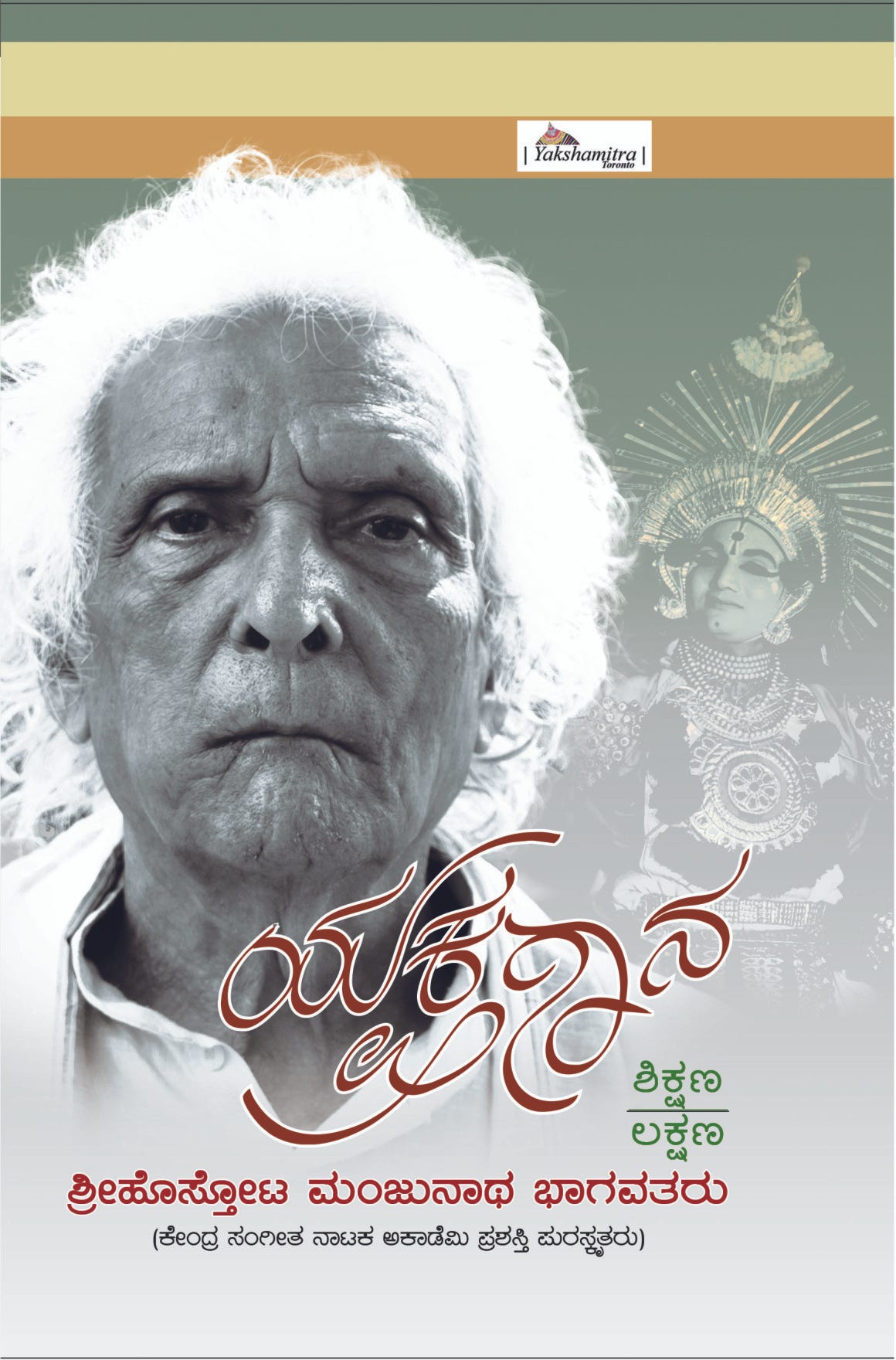
ಯಕ್ಷಮಿತ್ರದಿಂದ ಹೊಸ್ತೋಟ ಭಾಗವತರ ಯಕ್ಷಗಾನ ಲಕ್ಷಣ ಗ್ರಂಥ ಪ್ರಕಟಣೆ

                      ಪುಸ್ತಕಕ್ಕಾಗಿ ಸಂಪರ್ಕಿಸಿ ಅಮೇರಿಕಾಸ್: +16473283934                        ಭಾರತ — ರವೀಂದ್ರ ಮುದ್ರಣಾಲಯ ಸಾಗರ, ಮೋ: +9194495872...