09 September 2014

The Melody of Yakshagana Rhythms

I am reposting an important insight I had and wrote in this blog several years ago (I have made edits to reflect improved understanding).
  
Rhythms are the most prominent part of Yakshagana. Yakshagana rhythms are similar to Karnataka Sangeetha rhythms but have their own identity. There are more fillers in between the beats when played with Chande. These filling beats render Taals almost unrecognisable. The complexity of Yakshagana rhythms is different compared elsewhere. If Yakshagana were to improve sophistication by caring more about Chande's (drum) ability to produce distinct sounds, complexity will have to come down. It is this complexity (and powerful beats) that makes Yakshagana popular. Contrary to the belief that more complex the rhythm becomes, people tend not to understand and follow, complexity makes the rhythm melodic. When the beats get close enough, a melody emerges and people easily follow the melody. The melody of rhythms buries the complexity and makes it sound simple. In any case Maddale (mrudanga) is played without more distinct rhythm syllables. Sophistication in the tatkara (bols) is lost in performance. When Maddale and Chande drums match well the melody of rhythms is hard to miss. For this melody to clearly emerge the players have to closely match the rhythm of the syllables of pada (song) or the mattu.

Best things they say are simple. But I think best things do depend on complexity but abstracted away in creating simply the best!


22 August 2014

Laying RIP to rest - in peace!

https://tinyurl.com/original-rip This is the original blog post written in 2014 that lead to a lot of Indians change from RIP to other Indian phrases. This blog was copied and expanded by Shankanad and later on went viral on Facebook and WhatsApp through various people. Thanks to all of them.

It has become a fashion to tweet and write RIP aka - may his/her soul Rest In Peace. I see a problem: the problem of copying usages in other languages and traditions in perfect disharmony with the culture we grow up in. The words related to life events such as birth and death reflect the character of cultures in some way. I think more care is needed when using words from other languages. I have used the word until now when I realised its true meaning. In a post on this blog before I explained how our use of the word late has distorted the meaning of Kannada words we use. RIP belongs to this class of words but is more damaging to the meaning we intend to convey.

The soul is not an idea originating in Indian traditions. What is the issue? The issue is neither does resting in peace an idea originating in Indian traditions. Christians (Catholics in particular) are supposed to believe souls have eternal life. The endless life in heaven or in hell but no rebirth. Therefore, they engrave RIP on burials of their dead. A wish that the dead will have a peaceful eternal life.

Ideas of soul and atma are not the same things. Followers of Indian traditions believe in the release of atma and rebirth or moksha and punarjanma. So the atma does not have eternal life but is part of paramatma and is released from the cycle of birth and death. So everyone is part of paramatma and become part of it after death as well. Importantly, there is a release or escape. There is no eternal life. And this release is possible while one is alive: jeevanmukti. Of course, there is heaven and hell but only temporarily. Since souls do not rest we should rather wish that the dead attain moksha. May the dead attain moksha could be an alternative to RIP.

Now all the learned will ask me. When have you become religious? To answer them, followers of traditions have no religion. If you call traditions religion as well, there is no way to separate living from religion. I can not stop living so I have to be religious in that sense: the sense of my ancestor's ethos. And for atheists and scientists (since they are in between), it is one thing to believe in God and another to not worry about the cultural heritage. I remain conscious of my cultural heritage and sincerely believe it has more things to offer than "diversity". That is why I clarify things I see and recognise as not in line with our cultural heritage.

A few years ago I received an email informing the death of a very active community member and a founder of the Hindu temple in Saskatoon. The email said they have a memorial service the coming weekend at the Hindu Temple. While expressing condolence, I politely requested that we should use words from Indian traditions for rituals, in this case, the rituals after death. I got a very strange answer. A representative of the temple wrote back, "we try and keep it simple". The reason for keeping it "simple" they said, rituals have a different name depending on which part of India one comes from. I have no doubt in my mind about the intentions of the organisers. They are well-meaning and do community work as a service. But, I think creating awareness about the impact of the liberal use of words on Indian traditions may help. If husband and wife do not agree on which of two channels to watch, will watching a third channel serve the purpose of either of them?

I am all for the use of other languages and ideas. Use RIP if you really mean what Christians mean when they say RIP. But otherwise, I wish may the RIP attain moksha. If we continue to use it without fully understanding its meaning we will destroy diversity so passionately claimed to be promoted by "liberals".  In any case, we, at least, want to get what we say right, never mind the words.

12 August 2014

ಬೇಳಗಾಗ್ನಲ್ಲೇ ಮಗನ್ಯೆ (ದೀವರ ಭಾಷೆಯಲ್ಲಿ ಕವನ)

ಸೊರಬ ಸಾಗರ ಸುತ್ತಲಿನ ದೀವರು ಅಥವಾ ಈಡಿಗರು ಎನ್ನುವ ಜಾತಿಯವರು ಮತ್ತು ವಕ್ಕಲಿಗರು ಆಡುವ ಮಾತಿನಲ್ಲಿ ವ್ಯತ್ಯಾಸ ಇದೆ. ಆದರೂ ಒಂದು ಸಾಮ್ಯವೂ ಇದೆ. ಅವರದು ಶುದ್ಧವಾದ ಕನ್ನಡ. ಹಳೆಯರೂಪದ ಕನ್ನಡ ಪದ ಬಳಕೆ ಅನ್ಯ ಭಾಷೆಯ ಪದ ಇಲ್ಲವೇ ಇಲ್ಲ ಎನ್ನಬಹುದು ಅಷ್ಟು ಶುದ್ಧ. ಸಂಸ್ಕೃತದ ಬಳಕೆಯೇ ಇಲ್ಲ. ಆದರೆ ಭಾವನೆಗಳನ್ನು ಆಶಯವನ್ನು ವ್ಯಕ್ತಪಡಿಸುವಲ್ಲಿ ಈ ಭಾಷೆಗೆ ಇರುವ ಶಕ್ತಿ ಮುಖ್ಯವಾಹಿನಿಯ ಕನ್ನಡಕ್ಕೆ ಇಲ್ಲವೇ ಇಲ್ಲ ಎಂದು ಕಣ್ಣುಮುಚ್ಚಿ ಹೇಳಬಹುದು. ಕೆಳಗಿನ ಕವನ ದೀವರ ಭಾಷೆಯಲ್ಲಿ ಇದೆ. ಓದಿ ಆನಂದಿಸಿ. ಊರಿಗೆ ಹೋದಾಗ ದೀವರಲ್ಲೆ ಕೇಳಿ ಏನಾದರು ತಪ್ಪು ಇದ್ದರೆ ಸರಿಪಡಿಸುತ್ತೇನೆ.


ಬೇಳಗಾಗ್ನಲ್ಲೇ ಮಗನ್ಯೆ (ದೀವರ ಭಾಷೆಯಲ್ಲಿ ಕವನ)
===============================
ಹುಣವಳ್ಳಿ ಗುಡ್ಡುದಗೆ ಹುಲಿ ಬಂದು ಕುಂತೈತಿ
ಹುಲಿಯಪ್ಪುನ ಕಣಿವೆಯಗೆ ಬಾಳ ಕೂಗ್ಯಾಟ
ಹುಡ್ರು ಮಕ್ಕುಳುನೆಲ್ಲ ಗುಡ್ರಾಕಿ ತಿಂತೈತಿ
ಮುಸ್ಕಾಕ್ಯಂದು ಮಲಗೋ ಮರಿಯಪ್ಪ

ಕೋಳಿ ಗುಡ್ಡುದ ಮ್ಯಾಲೆ ನವಿಲೇರಿ ಕುಂತಾವೆ
ಹೊತಾರಿಕೆ ಗರಿ ಬಿಚ್ಚಿ ಕುಣಿತಾವೆ
ಕರಕಂದು ಹೋಕೇನಿ ನೋಡ್ಕ್ಯಂದು ಬರಬೈದು
ಬೇಳಗಾಗ್ನಲ್ಲಲ್ಲೇ ಮಗನ್ಯೆ ಮನ್ಕ್ಯಳಲೇ

ಕಾಡ್ನೆಲ್ಲಿ ಕೊಯ್ಕ್ಯುಂದು ಸೊಪ್ಪು ಸದಿ ಹಿಡುಕುಂದು
ತಗುಬರಕೆ ಹೋಗಾನ ಬೆಳಕ್ಕರಿಲಿ
ಮಾಡ್ಮ್ಯಾಲೆ ಕರಿಮಾಳ ಕ್ಯಸ್ ಅಂತೈತಿ
ಬೇಗ ಮಲಗಲೆ ಮಗನ್ಯೆ ಗುಮ್ಮ ಬತ್ತೈತಿ
================================

01 February 2014

ರಾಗಗಳ ಜೊತೆಗೆ ಯಕ್ಷಗಾನದ ಮಟ್ಟುಗಳನ್ನೂ ಕಲಿಯಬೇಕು

ಮಟ್ಟು ಲಯಕ್ಕೆ ಸಂಬಂಧಿಸಿದ್ದು ಎಂದೂ ಸ್ವರ ಕದಂಬಗಳನ್ನು (arrangement of notes) ಬೇರೆ ಬೇರೆ ಲಯರಚನೆಗಳಿಗೆ ಹೊಂದಿಸಿದಾಗ ಬೇರೆ ಬೇರೆ ಮಟ್ಟುಗಳು ಹುಟ್ಟುತ್ತವೆ ಎಂದೂ ನನ್ನ ನಂಬಿಕೆ. ನಾನು ಅರ್ಥೈಸಿಕೊಂಡಿದ್ದು ಸರಿಯಾದರೆ ನಂಬಿಯಾರರು ಹೊಸತೋಟದವರು ಇದನ್ನೇ ಹೇಳಿದ್ದಾರೆ. ಮಟ್ಟುಗಳನ್ನು ಪ್ರತ್ಯೇಕವಾಗಿ ಕಲಿಯಬೇಕಾಗುತ್ತದೆ. ಸ್ವರ, ತಾಳ, ಶೈಲಿ, ರಾಗ, ಕಲಿಯುವುದರ ಜೊತೆಗೆ, ಕಲಿಯಬೇಕಾದ ಇನ್ನೊಂದು ಅಂಶ ಇದು. ಅದರ ಜೊತೆಗೆ ಸಂದರ್ಭಕ್ಕೆ ಸರಿಯಾಗಿ ಮಟ್ಟು ಗತಿ ಇತ್ಯಾದಿಗಳನ್ನು ಬಳಸುವುದನ್ನೂ ಕಲಿಯಬೇಕಾಗುತ್ತದೆ. ರಾಗ ರೈಲ್ವೇ ಹಳಿ ಇದ್ದಂತೆ. ಹಳಿ ದಿಲ್ಲಿಯವರೆಗೂ ಹೊಗುತ್ತದೆ ಆದರೆ ನಮಗೆ ಬೇಕಾದಲ್ಲಿ ಬೇಕಾದಾಗ ಹತ್ತಿ ನಾವು ಇಳಿದು ಕೊಳ್ಳಬೇಕು ಇಲ್ಲದಿದ್ದರೆ ಬೇಡದಲ್ಲಿಗೆ ಹೋಗಿಬಿಡುವ ಸಂಭವ ಇದೆ!

ಒಂದೊಂದು ಭಾವನೆಗೆ ಒಂದೊಂದು ಸಮಯದ ಮಿತಿ ಇದೆ. ಸಿಟ್ಟು ಅತಿವೇಗ, ದು:ಖ ಅತಿವಿಲಂಬ, ಲವಲವಿಕೆ ಉತ್ಸಾಹಗಳಲ್ಲಿನ ಚುರುಕು, ಆಶ್ಚರ್ಯ ಕ್ಷಣಿಕ, ಸಂತೋಷ ಕ್ಷಣಿಕವಲ್ಲದಿದ್ದರೂ ಸೀಮಿತ ಸಮಯ, ಹೀಗೆ. ಈ ಭಾವನೆಗಳ ಸಮರ್ಥ ತೋರ್ಪಡಿಕೆಯಿಂದ ರಸೋತ್ಪತ್ತಿಯಾಗುತ್ತದೆ (Rasa is an abstraction one level above emotion, Raga is an abstraction one level above melody). ಇವೆಲ್ಲ ಭಾವನೆಗಳನ್ನು ತೋರ್ಪಡಿಸುವ ಒಂದೇ ರಾಗದ ಹಲವು ಪದ್ಯಗಳನ್ನು ಕ್ರೋಢೀಕರಿಸಿದಾಗ ಯಕ್ಷಗಾನದ ರಾಗಗಳ ಪೂರ್ಣ ರೂಪ ನಮಗೆ ಕಾಣಿಸುತ್ತದೆ. ಹಾಗಾಗಿ ರಾಗ ಮತ್ತು ಮಟ್ಟು ಅಲ್ಲದೇ ಬೇರೆ ಬೇರೆ ಭಾವನೆಗಳಿಗೆ ಪದವನ್ನು ಹೇಗೆ ಹೇಳಬೇಕೆಂದು ಕಲಿಯಬೇಕು. ಇದು ಸ್ವಪ್ರತಿಭೆಯಿಂದಲೂ ಸಾಧ್ಯ ಆದರೆ ಪ್ರತಿಭೆಗೆ ಮಿತಿ ಇರುವುದರಿಂದ ಹಿರಿಯರಿಂದ ಇವನ್ನು ಕೇಳಿ ನಾವು ಕಲಿಯಬೇಕು.

ರಾಗ ಮತ್ತು ಮಟ್ಟುಗಳ ಕಲಿಕೆ ಬೇರೆ ಆದ್ದರಿಂದ ರಾಗಗಳನ್ನು ಶುದ್ಧವಾಗಿ ಬಳಸಲು ಮಾಡುವ ಪ್ರಯತ್ನ ಬಹಳ ಒಳ್ಳೆಯದು. ಅಭ್ಯಾಸ ಮಾಡಿದ ರಾಗಗಳನ್ನು ಮಟ್ಟಿಗೆ ಹೊಂದಿಸಬಾರದು. ಕಲಿತ ಮಟ್ಟನ್ನು ರಾಗ ತಪ್ಪದಂತೆ ಹಾಡಬೇಕು. ಹಾಗೆ ಮಾಡಲು ಅತಿವೇಗವಾಗಿ ಸ್ವರ ಬದಲಿಸುವುದನ್ನು ಮತ್ತು ಕಡಿಮೆ ಸ್ವರಗಳಲ್ಲಿ ಹೆಚ್ಚು ಸಾಹಿತ್ಯ ಬಳಸುವುದನ್ನೂ ಕಲಿಯಬೇಕಾಗುತ್ತದೆ. ರಾಗ ತಿಳಿದು ತಿದ್ದಿಕೊಳ್ಳುವುದರಿಂದ ಮಟ್ಟಿಗೆ ಯಾವಹಾನಿಯೂ ಇಲ್ಲ. ಆದರೆ ಮಟ್ಟಿನ ಲಯಬಂಧವನ್ನು ಹಾಗೇ ಉಳಿಸಿಕೊಳ್ಳುವ ಎಚ್ಚರಿಕೆ ಬೇಕು. ಅದರ ಜೊತೆಗೆ ಮಿಶ್ರರಾಗ, ಸ್ವಂತ ಹೊಸರಾಗದ ಬಳಕೆ ಎಲ್ಲವನ್ನೂ ಗೌರವಿಸಬೇಕು. ಯಕ್ಷಗಾನದ ಸ್ವಾಭಾವಿಕ ಬಳಕೆಯನ್ನು "ಸರಿ" ಮಾಡುವುದು ತಪ್ಪು ಮತ್ತು ಅದರಿಂದ ಪ್ರತಿಭೆಗೆ ಅಡ್ಡಿಯುಂಟಾಗುತ್ತದೆ. ರಾಗದ ಹೆಸರು ಹೇಳಿ ತಪ್ಪು ಮಾಡುವುದೂ ಸರಿಯಲ್ಲ.

ಕರ್ನಾಟಕಿ ಹಿಂದೂಸ್ತಾನಿಗಳನ್ನು ಈ ವಿಷಯದ ಸಲುವಾಗಿ ಬದಿಗಿಡೋಣ. ಯಕ್ಷಗಾನದ ರಾಗ ಹೀಗೆ ಎಂದು ಈಗಾಗಲೇ ಹಳೆ ಭಾಗವತರನ್ನು ಕೇಳಿ ದಾಖಲಾಗಿದೆ. ಹಾಗಿರುವಾಗ, ಮೊಹನದಲ್ಲಿ ಹೇಳಿ ಮಾರವಿ ಎಂದರೆ ಅದನ್ನು ತಿದ್ದಬೇಕಾಗುತ್ತದೆ. ಮಾರವಿ-ಏಕ ಮಟ್ಟು ಎಂದರೆ ತೊಂದರೆ ಇಲ್ಲ. ತಿದ್ದಬೇಕು, ಇಲ್ಲದಿದ್ದರೆ ನಾವು ಹೇಳಿದ್ದೇ ಹಾಡು, ಆಡಿದ್ದೇ ಆಟ, ಮಾಡಿದ್ದೇ ಮಾಟ ಆಗುತ್ತದೆ. ಕರ್ನಾಟಕಿಯ ರಾಗ ತಂದು, ಹಾಗೇ ಹೇಳಿ ಎಂದಲ್ಲ. ಯಕ್ಷಗಾನದ ರಾಗವನ್ನೇ ಸರಿ ಹಾಡಿ ಎನ್ನುವುದು. ಅಲ್ಲದೇ ಮಿಶ್ರವಾಗಿ ಅಥವಾ ಅಲಾಪನೆ ಮಾಡುವಾಗ ಮನೋವೃತ್ತಿಗೆ ಹೊಂದಿ ಬೇರೆ ಬಂದರೆ ತೊಂದರೆ ಇಲ್ಲ ಆದರೆ ಶುದ್ಧವಾಗಿ ಯಕ್ಷಗಾನದ ರಾಗದಲ್ಲೇ ಹಾಡಲು ಬರುವುದು ಅಭ್ಯಾಸ ಮತ್ತು ನಿಪುಣತೆಯ ಸಂಕೇತ. ಇದಕ್ಕೂ ವಿದ್ಯೆ ಗೊತ್ತಿಲ್ಲದವರಿಂದ ಹೊಗಳಿಸಿಕೊಂಡು ಪಡೆದ "ಖ್ಯಾತಿ"ಗೂ ಯಾವ ಸಂಬಂಧವೂ ಇಲ್ಲ.


ಬಡಗಿನ ಪದಕ್ಕೂ ತೆಂಕಿನ ಪದಕ್ಕೂ ಹಿಂದೆ ಹೆಚ್ಚು ವ್ಯತ್ಯಾಸ ಇರಲಿಲ್ಲ. ಈಗ ೫೦-೬೦ ವರ್ಷಗಳಲ್ಲಿ ಕರ್ನಾಟಕಿಯ ಪ್ರಭಾವ ಯಕ್ಷಗಾನದ ಅಭಾವವಾಗುವಷ್ಟರಮಟ್ಟಿಗೆ ಆಗಿ ಮೂಲ ತೆಂಕಿನ ಶೈಲಿ ಕೇಳಲೇ ಇಲ್ಲ ಎನ್ನುವಂತಾಗಿದೆ. ಅಗರಿ ಭಾಗವತರ ಪದಕೇಳಿದರೆ ಹಳೇ ಬಡಗು ತೆಂಕುಗಳ ಪದ ಸಮೀಪ ಇತ್ತು ಎನ್ನುವುದು ಅರ್ಥವಾಗುತ್ತದೆ. ಈಗ ಇರುವ ಸಾಮಿಪ್ಯ ಬೇರೆ! ಇದು ಎರಡೂ ಕರ್ನಾಟಕಿಯಂತೆ ಆಗಿ ಬಡಗಿನವರೂ ತೆಂಕಿನವರ ಕಲಬೆರೆಕೆ ಆಗಿ ಆದದ್ದು. ಹೀಗೆಯೇ ತೆಂಕಿನ ಹಳೆ ಮದ್ದಲೆ ಮಾಯವಾಗಿ ಈಗ ಕರ್ನಾಟಕಿಯ ಶೈಲಿಯ ಮದ್ದಲೆ ಬಂದಿದೆ. ನುಡಿಸುವುದೂ ಬದಲಾಗಿದೆ. ನನಗೆ ಯಾವಾಗಲೂ ತೆಂಕಿನ ಮದ್ದಲೆ ಏಕೆ ಬೇರೆ ಎಂದು ಅನ್ನಿಸುತ್ತಿತ್ತು. ನಂಬಿಯಾರರ ಪುಸ್ತಕ ಓದಿದ ಮೇಲೆ ತಿಳಿದಿದ್ದು, ಇದು ಕರ್ನಾಟಕಿಯ "ಪ್ರಭಾವ". ಯಕ್ಷಗಾನದ ಅಭಾವವನ್ನು ನೀಗಿಸಲು ಯಕ್ಷಗಾನ ಬಯಲಾಟದ ಮೂಲ ಅಂಶಗಳನ್ನು ಸತತ ಬಳಕೆ ಮತ್ತು ಅಧ್ಯಯನದ ಮೂಲಕ ಸದೃಢಗೊಳಿಸಬೇಕು. ಅಧ್ಯಯನ ಬೇಕಷ್ಟು ಆಗಿದೆ. ಈಗ ಹೆಚ್ಚು ಬಾಕಿ ಇರುವುದು ಸರಿಯಾದ ಬಳಕೆ. ಕರ್ನಾಟಕಿಯಂತೆ ಬಳಸಿ ಎಂದು ಹೇಳುವವರು ಹೆಚ್ಚಿಲ್ಲ ಆದರೆ ಸ್ವರ, ರಾಗಗಳನ್ನು ಬೇಕಾದಂತೆ ಬಳಸಲು ಕಲಿಯಿರಿ ಎಂದಷ್ಟೇ ಹಲವು ಹಿರಿಯ ಯಕ್ಷಗಾನ ವಿದ್ವಾಂಸರ ಆಗ್ರಹ. ಆದರೆ ಹಾಗೆ ಹೇಳಿ ಕೊಡುವ ಗುರುಗಳೇ ಸುಲಭವಾಗಿ ಸಿಗುವುದಿಲ್ಲ, ಸಿಕ್ಕವರಲ್ಲಿ ನಾವು ಕಲಿಯುವುದಿಲ್ಲ! ಕಲಿಯುವುದನ್ನು ತಪ್ಪಿಸಿಕೊಳ್ಳಲು ನಾವು ಹೇಳುವುದೇ ಯಕ್ಷಗಾನ ಎನ್ನುವ ಮನೋಭಾವ ಮೂಡುತ್ತಿದೆ. ಕರ್ನಾಟಕಿಯ ಪ್ರಭಾವ ಬೇಡ ಆದರೆ ಅದರ ಹೆದರಿಕೆಯಲ್ಲಿ ಇದ್ದ ಯಕ್ಷಗಾನವೂ ಹಾಳಾಗುವುದು ಬೇಡ. ಇದೆಲ್ಲಕ್ಕಿಂತ ದೊಡ್ಡ ದು:ಖವೆಂದರೆ ಚೆನ್ನಾಗಿ ಬಲ್ಲವರನ್ನು ಗೌರವಿಸುವ ಅವರಿಂದ ಕಲಿಯುವ ಪರಂಪರೆ ನಾಶವಾಗಿದೆ. ಹಾಗೆ ಬೇರೆಯವರು ತಮಗಿಂತ ಶ್ರೇಷ್ಠರೆಂದು ಜನಕ್ಕೆ ತಿಳಿದರೆ "ಖ್ಯಾತಿ"ಕೆ ದಕ್ಕೆ ಬರುತ್ತದಲ್ಲ!


Example of Agari Bhagavataru (Tenku Yakshagana singing):


ಶಾಸ್ತ್ರೀಯ ಸಂಗೀತ ಕಲಿಯದಿದ್ದರೆ ಯಕ್ಷಗಾನ ಹಾಡಲು ಬರದು ಇತ್ಯಾದಿ ಹೇಳುವವರೂ ಇದ್ದಾರೆ. ಆದೇನು ಅಗತ್ಯವಿಲ್ಲ. ಸ್ವರ ಕಲಿಯಬೇಕು, ಯಕ್ಷಗಾನದ ರಾಗಗಳನ್ನು ಅಭ್ಯಾಸ ಮಾಡಬೇಕು. ಪರಂಪರೆಯಿಂದ ಕೇಳಿ ಹಾಡಿದರೆ ಅಡ್ಡಿ ಇಲ್ಲ. ಕೇವಲ ಕೇಳಿ ಹಾಡಿದರೆ ಸೂಕ್ಷ್ಮ ಅಂಶಗಳು ಹಾಳಾಗುತ್ತವೆ. ತಾವು ತಪ್ಪಾಗಿ ಹಾಡುವುದನ್ನೇ ಪರಂಪರೆ ಎಂದು ಹೇಳುವುದನ್ನು ತಪ್ಪಿಸಲು ಶುದ್ಧವಾದ ರಾಗ ಜ್ಞಾನದ ಅವಶ್ಯಕತೆಯಿದೆ. ಮಟ್ಟು, ಚಲನೆ ಮತ್ತು ಬಳಕೆ ಇತ್ಯಾದಿಗಳನ್ನು ಗುರುಗಳಿಂದ ಹೇಳಿಸಿಕೊಂಡು ಕಲಿಯಬೇಕು ಕೂಡ. ಎಂದ ಮಾತ್ರಕ್ಕೆ ಸ್ವಂತ ಪ್ರತಿಭೆಯಿಂದ ಹಾಡುವವರ ಹಾಡು ಕಡಿಮೆಯಾಗಬೇಕಿಲ್ಲ. ಇಂಪಾಗಿ ಚಂದವಾಗಿ ಹಾಡುವುದೆಲ್ಲ ಬೇಕು. ನಾನೂ, ನಾನು ಹಾಡುವುದೇ ಯಕ್ಷಗಾನ ಎಂದು ಒಂದುಕಾಲದಲ್ಲಿ ಅಂದು ಕೊಂಡಿದ್ದೆ. ಆದರೆ ಅದನ್ನು ಹಿರಿಯರಿಂದ ಕೇಳಿ ಕಲಿತು ಸರಿಪಡಿಸಿ ಕೊಳ್ಳಬೇಕು ಎನ್ನುವ ಬುದ್ಧಿ ಕೆಲವು ಹಳೇಯ ಪದಗಳನ್ನು ಕೇಳಿ ಬಂದಿದೆ. ರಾಮಚಂದ್ರ ನಾವುಡರು, ಅಗರಿ ಭಾಗವತರು, ಮರಿಯಪ್ಪಾಚಾರರು ಇವರ ಪದ ಕೇಳಿ ಈಗಿನ ಪದದ ಶೈಲಿಗೆ ಹೋಲಿಸಿದಾಗ ನಾವು ಏನೋ ಕಳೆದುಕೊಂಡಿದ್ದೇವೆ ಎಂದು ನಿಮಗೆ ಅನ್ನಿಸದಿದ್ದರೆ ನಿಮಗೆನೋ ತಿಳಿಯಲಿಲ್ಲ ಎಂದೇ ಅರ್ಥ! 

03 December 2013

What is inflation? Not what you thought it is I bet!

I know we think inflation is understood well. So many government departments banks and what not throw out numbers and tell you how much your money lost value in the last few years or months. Those numbers are just irrelevant. Almost.

Inflation is relative to our spending! How much do things we mostly buy cost us today compared to last year is the real indicator of how much value the money we make lost. Only us and no one else can calculate exactly how much inflation there is. If you don't buy things they use to calculate inflation then those numbers are not relevant. With all the business analytics in place, one day in near future Banks will be able to tell us the exact inflation based on what we spend our money on.

Food, transport and dwelling are our primary expenses. So how much we spend on these will give us a sense of how valuable our money is.

07 October 2013

Yakshagana in USA and Canada 2013 by Kondadakuli and Team

Please visit the link below for Yakshagana schedule in USA and Canada from Sept 18th to Dec 12th 2013

Kolagi Keshav Hegde, Ananth Phatak, Sampa Lakshminarayana and Kondadakuli , Nilkod Shankar Hegde are touring USA and Canada. Do not miss their shows: 


16 August 2013

What are numbers? Part-1

This is not something I have chosen to write to show I think philosophy or 'larger questions of life' etc. I am merely sharing some confusion and discomfort I have with my understanding of numbers. To me, understanding numbers is a scientific problem and is important. I say so with some resolve because I think, numbers as we know today are incomplete. So throwing out my current understanding will follow. You will see how scientific or otherwise, it is.

I will take two practical approaches to understanding numbers. I am not interested in whether the number is a concept or a thing etc. What numbers do, explains a lot more. So the two approaches are:
  1. Enumerate what property numbers help denote.
  2. Assume numbers are incomplete and verify if consequences explain inabilities of numbers as we know today. 
What do numbers help denote?
Numbers help count. What does 0.75 Mango mean then? Numbers help measure size. Note that both counting and measuring are not relative, that is independent of what is being measured or counted (relative to itself). Measuring weight, length etc are relative to how much 1 Kg is or 1 cm is. For example, measuring the weight of a thing is nothing but counting how many 1 Kgs equal weight of that thing. It goes similarly for length etc and other measurements relative to a unit. We then see that count and measure have attributes: they may be excessive(+ve) or lacking (-ve). Let us call it presence. What about 22/7 ? Anything 22 can not be split into 7 equal parts. So these irrational numbers have no independent existence or meaning but there is nothing irrational about them - just a wrong name. These irrational numbers acquire meaning only when there is a possibility of converting them to a rational number eventually. For example, cos(pi/3)  = 0.5 has a meaning. Thus, irrational numbers denote an approximate measure that can be used in the further calculation without loss of precision. For example, 22/7 or pi tells us that, "Look, you can never count in units of  its radius the perimeter of a circle precisely, but you can approximate". Fair enough? 

So far we have the following things numbers can inherently denote:
  1. count
  2. measure
  3. indicate presence
  4. approximate measure
Wait a second, doesn't number denote angles? No, they don't! It is how we define the unit degree that gives 90 a meaning that it is the angle. 90 otherwise is just a count.

That brings us to imaginary and complex numbers. I think mathematicians just misnamed them using their 'imagination' and 'complexity'. These should have been called Rombers (pun)! Multiplying by i actually denotes rotation, where i is a dimension. So far we know numbers are two dimensional. Are we sure? We do not know. Some have proved that there are no three dimensional numbers. But I do think it is correct to think numbers have dimensions, although numbers, to me, inherently denote something independent of our interpretation.

Now, we can think about what else can numbers denote. Are there things numbers denote yet we do not know? I believe so. That we can see in Part-2 when I have some concrete thoughts.

Note on 21 Jan 2014: The explanation of numbers except the imaginary are my own notably the irrational numbers and original as well. Today I realised I am not first to come up with such explanation for real numbers.

09 August 2013

MR

A friend of my grandfather, MR is ones the great artists of Yakshagana taalamaddale in Sagara-Soraba region. I had a chance to visit his place and record this conversation. Please watch and enjoy.


30 July 2013

Multi-Crop Method for Marketable Medicinal Plants

Interview of 

Shri Prakash Manchale 

on his 

Multi-Crop Method 
for
Marketable Medicinal Plants

A Production of 
PMM Trust (R) Kattinakere


25 July 2013

Our Notion of History

I will keep it short and to the point (Indian perspective - my opinion):

  1. History as List of Events:  We do not get a sense of life style and its evolution by reading textbooks. Events, mostly involving powerful people, do not tell us about common people. In my opinion, history should be taught as evolution and life style along with events as things change. 
  2. Ideological Interpretation of History: When there is an accident you dont look at it through a political ideology. Using an ideology to interpret history is misuse of audience for history to further cause of the ideology.
  3. History According to Current Ethics: All historical events should be viewed in the ethical framework of their time. It would then be necessary to agree on what ethical standard was at the time. Although not accurate they would help improve our interpretation and sense of ethics.
  4. History as Fact: There are as many versions as there are people even for an accident that took place minutes ago. How can we be so sure about thousands of years of history? School textbooks preach history as if they are facts. Right degree of confidence or otherwise should be indicated along with "fact" of history. School children must be ware of sources even though they may not fully comprehend quality or authenticity.

10 July 2013

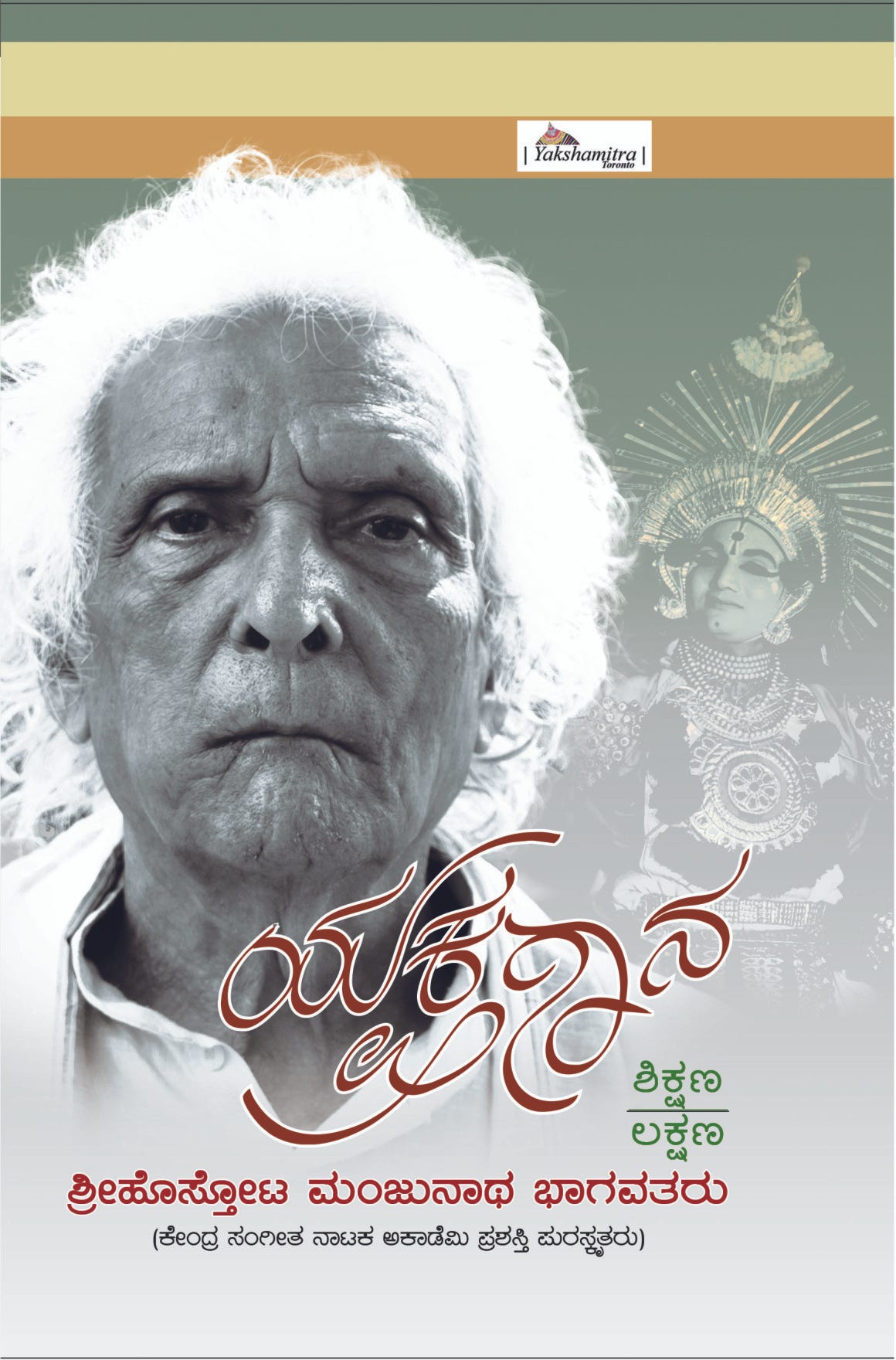
A Meeting on a Mountain - Hosathota Bhagavataru

Interview of 

Shri Manjunatha Bhagavataru Hosathota

on

His Life and Yakshagana Literature

A Production of 
PMM Trust (R) Kattinakere


ಯಕ್ಷಮಿತ್ರದಿಂದ ಹೊಸ್ತೋಟ ಭಾಗವತರ ಯಕ್ಷಗಾನ ಲಕ್ಷಣ ಗ್ರಂಥ ಪ್ರಕಟಣೆ

                      ಪುಸ್ತಕಕ್ಕಾಗಿ ಸಂಪರ್ಕಿಸಿ ಅಮೇರಿಕಾಸ್: +16473283934                        ಭಾರತ — ರವೀಂದ್ರ ಮುದ್ರಣಾಲಯ ಸಾಗರ, ಮೋ: +9194495872...