20 December 2015


12 December 2015
08 December 2015
ಭಸ್ಮಾಸುವ ಮೋಹಿನಿಯಲ್ಲಿ - ಎಲ್ಲೆಲ್ಲೂ ಸೊಬಗಿದೆ ಬೇಕೆ ಎಂಬ ಗೋಪಾಲಕೃಷ್ಣ ಭಾಗವತರ ಲೇಖನಕ್ಕೆ ಪ್ರತಿಕ್ರಿಯೆ.
ಭಸ್ಮಾಸುವ ಮೋಹಿನಿಯಲ್ಲಿ - ಎಲ್ಲೆಲ್ಲೂ ಸೊಬಗಿದೆ ಬೇಕೆ ಎಂಬ ಗೋಪಾಲಕೃಷ್ಣ ಭಾಗವತರ ಲೇಖನಕ್ಕೆ ಪ್ರತಿಕ್ರಿಯೆ.
https://www.facebook.com/yaksharangadamatugalu/posts/917928364961881:0
ಇಲ್ಲಿ ಹಲವಾರು ವಿಚಾರ ಪ್ರಸ್ತಾಪಿಸಿದ್ದೀರಿ. ತುಂಬಾ ಉಪಯುಕ್ತ ಮಾಹಿತಿ ಮತ್ತು ಹೊಸ ವಿಚಾರವುಳ್ಳ ಲೇಖನ. ತುಂಬಾ ಧನ್ಯವಾದಗಳು. ಹಳೆಗನ್ನಡ ಮತ್ತು ನಡುಗನ್ನಡ ಬಳಸುವ ಯಕ್ಷಗಾನಕ್ಕೆ ಹೊಸಕನ್ನಡ ಬಂದಾಗ ಹೊಸ ಪ್ರತಿಮೆ ಬಂದಾಗ ಪದ ಹೇಳುವುದೂ ಹೊಸತರವಾಗ ಬೇಕಾಗುತ್ತದೆ ಎನ್ನುವುದು ಸರಿ ಯೆನಿಸುತ್ತದೆ. ಪ್ರತಿಮೆ ಎಂದರೆ imagery-ಭಾವ ಚಿತ್ರಣ ಎಂದು ಬಗೆದರೆ ಅದು ಹೆಚ್ಚಾಗಿ ಆಂಗ್ಲಮೂಲದ್ದು ಆಗಿರಬೇಕು. ಆದರೂ ಹಾಡು ಹೊಸ ಭಾವಗೀತೆಯ ಧಾಟಿಗೆ ಇಳಿಯುವುದಕ್ಕೆ ಹೊಸಕನ್ನಡ ಉಪಯೋಗಿಸುವಾಗ ಮತ್ತು ಛಿತ್ರಣ ಪ್ರಧಾನವಾಗಿ ಪದ ಬರೆಯುವಾಗ ಅನಿವಾರ್ಯವಾಗಿ ಛಂದಸ್ಸಿನಲ್ಲಿ ಆಗುವ ಬದಲಾವಣೆಯೇ ಮುಖ್ಯ ಕಾರಣ ಅನಿಸುತ್ತದೆ.
ಎಲ್ಲೆಲ್ಲು ಸೊಬಗಿದೆ ಹಿಂದಿ ಭಾಷೆಯ - ಗೋರಿ ತೆರ ಗಾಂವ್ ಬಡಾ ಪ್ಯಾರ ಕ್ಕೆ ಸಮೀಪವಿದೆ ಹಾಗಾಗಿ ಈ ನಮ್ಮ ಪದಕ್ಕೂ ಯಾವುದೋ ಪ್ರಾಂತ್ಯದ ಜಾನಪದಗೀತೆ ಮೂಲವಿರಬಹುದು. ಈ ಮಟ್ಟಿನ ಯಾವಪದವೂ ಯಕ್ಷಗಾನದಲ್ಲಿ ಮೊದಲು ಇದ್ದಂತೆ ತೋರಲಿಲ್ಲ (ಇದ್ದರೆ ತಿಳಿಸಿ). ಹಾಗಾಗಿ ಇದು ನಮ್ಮ ತಾಳ ವ್ಯವಸ್ತೆಗೆ ಪೂರ್ಣ ಸರಿಯಾಗಿ ಹೊಂದುತ್ತದೆಯೆ ಎಂದು ನಿಖರವಾಗಿ ಶಾಸ್ರ್ತಜ್ನರು ಅಧ್ಯಯನ ಮಾಡುವ ಅವಶ್ಯಕತೆ ಇದೆ. ಇದು ಮುಖ್ಯ ಏಕೆಂದರೆ,
ಎಲ್ಲಿಯವರೆಗೆ ಯಕ್ಷಗಾನದ ತಾಳಗಳು ಕೆಡುವುದಿಲ್ಲವೋ ಲುಪ್ತವಾಗುವುದಿಲ್ಲವೋ ಅಲ್ಲಿಯವರೆಗೆ ಯಕ್ಷಗಾನ ಉಳಿಯುತ್ತದೆ. ಹಳೆಯ ಪದ್ಯ ಮತ್ತು ತಾಳ ಇವೆರಡರಿಂದಲೇ ಉಳಿದ ಹಿಮ್ಮೇಳದ ವಿವರಗಳ ಪುನಸೃಷ್ಟಿ ಸುಮಾರಾಗಿ ಮಾಡಬಹುದು. ಆದರೆ ಪದ್ಯ ಹಾಳಾದರೆ ಅದು ತಾಳ ಹಾಳುಮಾಡಿ ಯಕ್ಷಗಾನವನ್ನೇ ಕೊಲ್ಲುತ್ತದೆ ಎನ್ನುವುದರಲ್ಲಿ ನನಗೆ ಅನುಮಾನವಿಲ್ಲ.
ಇನ್ನು ಹೊಸ ಪದಸೇರಿಸುವುದರ ಬಗ್ಗೆ: ಯಕ್ಷಗಾನ ಕಥಾಪ್ರಧಾನವೇ ಹೊರತು ನಾಯಕ ಪ್ರಧಾನವಲ್ಲ. ಈ ಪ್ರಮುಖ ವೇಷಗಳು ಪದ ಸೇರಿಸಿದ್ದೆಲ್ಲ ಸುಮಾರಾಗಿ ಕಥೆಯನ್ನು ನಾಯಕ ಪ್ರಧಾನ ಮಾಡುವುದಕ್ಕೆ ಎಂದು ತೋರುತ್ತದೆ. ಈಗ ನಾಯಕ ಪ್ರಧಾನ ಸ್ವಶಕ್ತಿ ಪ್ರದರ್ಶನ ಸರ್ವೇ ಸಾಮಾನ್ಯವಾಗಿರುವುದು ಅದಕ್ಕೆ ಪುಷ್ಟಿಯನ್ನು ಒದಗಿಸುತ್ತದೆ. ಆಡುವ ಆಟದಲ್ಲಿ ಪ್ರವೇಶ ನಿರ್ಗಮನ ಬದಲಾಯಿಸುವ ಹೊಡೆತದಲ್ಲಿ ಪ್ರಸಂಗವೇ ಕಥಾನಾಯಕ ಪ್ರಧಾನವಾಗಿ ಬದಲಾಗುತ್ತಿದೆ. ಮೊದಲಿಂದಲೂ ಹೀಗೆ ಇತ್ತು ಎಂದು ಹೊಸಬರು ನಂಬುವಂತಾಗಿದೆ. screenplay - ಚಿತ್ರಕಥೆಯನ್ನು ವೇಷಧಾರಿಗಳೇ ನಿರ್ದರಿಸಿದರೆ ಪ್ರಸಂಗ ಕಥಾನಾಯಕ ಪಧಾನವಾಗುವುದರಲ್ಲಿ ಅನುಮಾನವೇ ಇಲ್ಲ. ಹಾಗಾಗಿ ಹಿತಮಿತವಾದ ಬದಲಾವಣೆಮಾಡಿದರೇ ಓಳ್ಳೆಯದು ಎಂದು ನನ್ನ ಅಭಿಪ್ರಾಯ. ಪದವನ್ನು ಬರೆಯುವುದನ್ನು ಮತ್ತು ಎಲ್ಲಿ ಬಳಸಬೇಕೆನ್ನುವುದನ್ನು ಪ್ರಸಂಗ ರಚನಾ ಪ್ರವೀಣರಿಗೇ ಮತ್ತು ಭಾಗವತರಿಗೆ ಬಿಟ್ಟು ಬಿಡುವುದು ಒಳ್ಳೆಯದು. ವೇಷಧಾರಿಗಳ ಅಭಿಪ್ರಾಯಕ್ಕೆ ಯಾವಾಗಲೂ ಬೆಲೆ ಇದೆ. ವೇಷಧಾರಿಗಳೇ ಬದಲಾಯಿಸುವುದಾದರೆ ಅವರು ಭಾಗವತಿಕೆ ಬರುವವರಾದರೂ ಅಗಿರಬೇಕು.
https://www.facebook.com/yaksharangadamatugalu/posts/917928364961881:0
ಇಲ್ಲಿ ಹಲವಾರು ವಿಚಾರ ಪ್ರಸ್ತಾಪಿಸಿದ್ದೀರಿ. ತುಂಬಾ ಉಪಯುಕ್ತ ಮಾಹಿತಿ ಮತ್ತು ಹೊಸ ವಿಚಾರವುಳ್ಳ ಲೇಖನ. ತುಂಬಾ ಧನ್ಯವಾದಗಳು. ಹಳೆಗನ್ನಡ ಮತ್ತು ನಡುಗನ್ನಡ ಬಳಸುವ ಯಕ್ಷಗಾನಕ್ಕೆ ಹೊಸಕನ್ನಡ ಬಂದಾಗ ಹೊಸ ಪ್ರತಿಮೆ ಬಂದಾಗ ಪದ ಹೇಳುವುದೂ ಹೊಸತರವಾಗ ಬೇಕಾಗುತ್ತದೆ ಎನ್ನುವುದು ಸರಿ ಯೆನಿಸುತ್ತದೆ. ಪ್ರತಿಮೆ ಎಂದರೆ imagery-ಭಾವ ಚಿತ್ರಣ ಎಂದು ಬಗೆದರೆ ಅದು ಹೆಚ್ಚಾಗಿ ಆಂಗ್ಲಮೂಲದ್ದು ಆಗಿರಬೇಕು. ಆದರೂ ಹಾಡು ಹೊಸ ಭಾವಗೀತೆಯ ಧಾಟಿಗೆ ಇಳಿಯುವುದಕ್ಕೆ ಹೊಸಕನ್ನಡ ಉಪಯೋಗಿಸುವಾಗ ಮತ್ತು ಛಿತ್ರಣ ಪ್ರಧಾನವಾಗಿ ಪದ ಬರೆಯುವಾಗ ಅನಿವಾರ್ಯವಾಗಿ ಛಂದಸ್ಸಿನಲ್ಲಿ ಆಗುವ ಬದಲಾವಣೆಯೇ ಮುಖ್ಯ ಕಾರಣ ಅನಿಸುತ್ತದೆ.
ಎಲ್ಲೆಲ್ಲು ಸೊಬಗಿದೆ ಹಿಂದಿ ಭಾಷೆಯ - ಗೋರಿ ತೆರ ಗಾಂವ್ ಬಡಾ ಪ್ಯಾರ ಕ್ಕೆ ಸಮೀಪವಿದೆ ಹಾಗಾಗಿ ಈ ನಮ್ಮ ಪದಕ್ಕೂ ಯಾವುದೋ ಪ್ರಾಂತ್ಯದ ಜಾನಪದಗೀತೆ ಮೂಲವಿರಬಹುದು. ಈ ಮಟ್ಟಿನ ಯಾವಪದವೂ ಯಕ್ಷಗಾನದಲ್ಲಿ ಮೊದಲು ಇದ್ದಂತೆ ತೋರಲಿಲ್ಲ (ಇದ್ದರೆ ತಿಳಿಸಿ). ಹಾಗಾಗಿ ಇದು ನಮ್ಮ ತಾಳ ವ್ಯವಸ್ತೆಗೆ ಪೂರ್ಣ ಸರಿಯಾಗಿ ಹೊಂದುತ್ತದೆಯೆ ಎಂದು ನಿಖರವಾಗಿ ಶಾಸ್ರ್ತಜ್ನರು ಅಧ್ಯಯನ ಮಾಡುವ ಅವಶ್ಯಕತೆ ಇದೆ. ಇದು ಮುಖ್ಯ ಏಕೆಂದರೆ,
ಎಲ್ಲಿಯವರೆಗೆ ಯಕ್ಷಗಾನದ ತಾಳಗಳು ಕೆಡುವುದಿಲ್ಲವೋ ಲುಪ್ತವಾಗುವುದಿಲ್ಲವೋ ಅಲ್ಲಿಯವರೆಗೆ ಯಕ್ಷಗಾನ ಉಳಿಯುತ್ತದೆ. ಹಳೆಯ ಪದ್ಯ ಮತ್ತು ತಾಳ ಇವೆರಡರಿಂದಲೇ ಉಳಿದ ಹಿಮ್ಮೇಳದ ವಿವರಗಳ ಪುನಸೃಷ್ಟಿ ಸುಮಾರಾಗಿ ಮಾಡಬಹುದು. ಆದರೆ ಪದ್ಯ ಹಾಳಾದರೆ ಅದು ತಾಳ ಹಾಳುಮಾಡಿ ಯಕ್ಷಗಾನವನ್ನೇ ಕೊಲ್ಲುತ್ತದೆ ಎನ್ನುವುದರಲ್ಲಿ ನನಗೆ ಅನುಮಾನವಿಲ್ಲ.
ಇನ್ನು ಹೊಸ ಪದಸೇರಿಸುವುದರ ಬಗ್ಗೆ: ಯಕ್ಷಗಾನ ಕಥಾಪ್ರಧಾನವೇ ಹೊರತು ನಾಯಕ ಪ್ರಧಾನವಲ್ಲ. ಈ ಪ್ರಮುಖ ವೇಷಗಳು ಪದ ಸೇರಿಸಿದ್ದೆಲ್ಲ ಸುಮಾರಾಗಿ ಕಥೆಯನ್ನು ನಾಯಕ ಪ್ರಧಾನ ಮಾಡುವುದಕ್ಕೆ ಎಂದು ತೋರುತ್ತದೆ. ಈಗ ನಾಯಕ ಪ್ರಧಾನ ಸ್ವಶಕ್ತಿ ಪ್ರದರ್ಶನ ಸರ್ವೇ ಸಾಮಾನ್ಯವಾಗಿರುವುದು ಅದಕ್ಕೆ ಪುಷ್ಟಿಯನ್ನು ಒದಗಿಸುತ್ತದೆ. ಆಡುವ ಆಟದಲ್ಲಿ ಪ್ರವೇಶ ನಿರ್ಗಮನ ಬದಲಾಯಿಸುವ ಹೊಡೆತದಲ್ಲಿ ಪ್ರಸಂಗವೇ ಕಥಾನಾಯಕ ಪ್ರಧಾನವಾಗಿ ಬದಲಾಗುತ್ತಿದೆ. ಮೊದಲಿಂದಲೂ ಹೀಗೆ ಇತ್ತು ಎಂದು ಹೊಸಬರು ನಂಬುವಂತಾಗಿದೆ. screenplay - ಚಿತ್ರಕಥೆಯನ್ನು ವೇಷಧಾರಿಗಳೇ ನಿರ್ದರಿಸಿದರೆ ಪ್ರಸಂಗ ಕಥಾನಾಯಕ ಪಧಾನವಾಗುವುದರಲ್ಲಿ ಅನುಮಾನವೇ ಇಲ್ಲ. ಹಾಗಾಗಿ ಹಿತಮಿತವಾದ ಬದಲಾವಣೆಮಾಡಿದರೇ ಓಳ್ಳೆಯದು ಎಂದು ನನ್ನ ಅಭಿಪ್ರಾಯ. ಪದವನ್ನು ಬರೆಯುವುದನ್ನು ಮತ್ತು ಎಲ್ಲಿ ಬಳಸಬೇಕೆನ್ನುವುದನ್ನು ಪ್ರಸಂಗ ರಚನಾ ಪ್ರವೀಣರಿಗೇ ಮತ್ತು ಭಾಗವತರಿಗೆ ಬಿಟ್ಟು ಬಿಡುವುದು ಒಳ್ಳೆಯದು. ವೇಷಧಾರಿಗಳ ಅಭಿಪ್ರಾಯಕ್ಕೆ ಯಾವಾಗಲೂ ಬೆಲೆ ಇದೆ. ವೇಷಧಾರಿಗಳೇ ಬದಲಾಯಿಸುವುದಾದರೆ ಅವರು ಭಾಗವತಿಕೆ ಬರುವವರಾದರೂ ಅಗಿರಬೇಕು.
05 December 2015
"British" Colonial Furniture are from India
"British Colonial" style is, in reality, basically Indian traditional furniture style (and also from China, etc. to varying extent). It is a result of fine works of art by legendary and ancient Indian carpenters and sculptors called the Gudikaara" and "shilpi". The lion legs directly come from the Indian Simhasana - the Lion Chair used by Indian kings/queens/royalty. They were handcrafted by famous Gudikaras. For example, Mudugodu Hiranyappa was one such legendary Gudikara whose family still lives in Mudugodu near Soraba in Karnataka. His works are now preserved in Mysore's palace, Mumbai Shivaji Museum and in traditional institutions like Ramachandrapura Mutt. If you have a chance to see his work, you will be able to fathom the artlessness of modern furniture and their inferior imitation of what Gudukaras were able to do then.
The so-called colonial railings are a copy of South Indian temple pillars. Indian temples are elaborate works of art honed by thousands of years of inherited craftsmanship handed down through tradition. While temples are engineered by the architect called Stapathi, all elements are sculpted by Shilpi. If you look at Hoysaleshwara Temple Halebidu all other sculptures you look at next in your life will look lame in comparison; all structures craft-less. "Colonial" railings are an example for a poor imitation of Indian temple pillars. I grew up in a place close to some ancient temples like Banavasi the then capital of Kadambas and Balligavi where Hoysala empress Shantala hailed from. The moment I looked at railings I could not stop noticing how they were a replica of temple pillars sans the detailed craftsmanship.
It is unfortunate that after modifying a little here and little there it became "British" whereas the original makers are relegated to "influence" at best, no mention at all at worst! Don't think this applies only to furniture, this is wide spread from steel, cloth; diamonds to Mysore rocket. Somehow Indians are expected to be proud of others stealing their stuff and not only calling it theirs but making Indians look wanted in the field of "fineness", "taste" and "sophistication"!
I will, when time permits, put up photos that will make above claims self-evident.
The so-called colonial railings are a copy of South Indian temple pillars. Indian temples are elaborate works of art honed by thousands of years of inherited craftsmanship handed down through tradition. While temples are engineered by the architect called Stapathi, all elements are sculpted by Shilpi. If you look at Hoysaleshwara Temple Halebidu all other sculptures you look at next in your life will look lame in comparison; all structures craft-less. "Colonial" railings are an example for a poor imitation of Indian temple pillars. I grew up in a place close to some ancient temples like Banavasi the then capital of Kadambas and Balligavi where Hoysala empress Shantala hailed from. The moment I looked at railings I could not stop noticing how they were a replica of temple pillars sans the detailed craftsmanship.
It is unfortunate that after modifying a little here and little there it became "British" whereas the original makers are relegated to "influence" at best, no mention at all at worst! Don't think this applies only to furniture, this is wide spread from steel, cloth; diamonds to Mysore rocket. Somehow Indians are expected to be proud of others stealing their stuff and not only calling it theirs but making Indians look wanted in the field of "fineness", "taste" and "sophistication"!
I will, when time permits, put up photos that will make above claims self-evident.
14 July 2015
Are Vedas Apaurusheya?
Apaurusheya literally means 'not of human'. Does it mean divine? Yes, divine in Indian sense, not the abrahamic 'Godly' sense. In my opinion, Apaurusheya means 'sacred everlasting ideas'. I will explain a little bit why I think so.
1) Apaurusheya does not refer to any text but ideas and mantras.
2) The authors of the Veda are called 'mantra drushtaaraha' (perceivers/receivers or those who saw it)
Therefore, I have this theory, those who know more could validate this.
The ideas in Vedas are not man made. That is they are ideas that form part of 'natural order' or Dharma. So these ideas are 'not created' but are 'seen' by the Mantra drushtaaraha. So 'Vishwamitra Rishihi Gaayatri Chandaha' means these ever existent ideas of Dharma are 'seen' by Rushis such as Vishwamitra who then composed mantras in some meters (Gaytri in this case). Dharma will establish itself - natural order will prevail against all odds. Time may pass. The ideas that form part of this natural order are everlasting and apaurusheya - not man made. They are sung, read or written is another matter.
Koenard Elst's assumptions are not quite right in this sense. But folks that know more could correct me if you think that is worth. I am trying to make sense of it here my self.
09 May 2015
shankhnaad.net copies my blog post and removes my comments when asked to credit
Last year I investigated what RIP means and then wrote a blog post on why it is 'culturally inaccurate'. After more than a year I came across an 'article' that talked about RIP adding to it some more stuff but basically copying my blog post including the meme even plagiarizing parts of the post.
The author in question is one Rahul Priyadarshi who 'wrote' that 'article' for shankhanaad.net. It is perfectly alright to get ideas from somewhere or even to copy if someone is trying to further a cause. But the original post should be cited.
It was not a big deal. I posted a comment just making fun of them. But the comment got removed. That is sort of admitting they errored. They could have defended in vain. I could have made fun and left it at that. But my comments were removed twice. So I decided I will post the story here. It is rather shameless and you would never expect this behaviour from people claiming to further Sanatana Dharma. I hope they realise this is Adharma.
This is again not a big deal. They can go on. But they should pause and reflect.

The author in question is one Rahul Priyadarshi who 'wrote' that 'article' for shankhanaad.net. It is perfectly alright to get ideas from somewhere or even to copy if someone is trying to further a cause. But the original post should be cited.
It was not a big deal. I posted a comment just making fun of them. But the comment got removed. That is sort of admitting they errored. They could have defended in vain. I could have made fun and left it at that. But my comments were removed twice. So I decided I will post the story here. It is rather shameless and you would never expect this behaviour from people claiming to further Sanatana Dharma. I hope they realise this is Adharma.
This is again not a big deal. They can go on. But they should pause and reflect.

12 February 2015
ಯಕ್ಷಗಾನ ಕರ್ನಾಟಕ ಸಂಗೀತದ ಮೂಲವೇ?
ನಾನು ೧೯೨೦ ರ ಕರ್ನಾಟಕ ಸಂಗೀತ ಮತ್ತು ೧೯೩೮ ರ ಯಕ್ಷಗಾನ ಕೇಳಿ ಅವುಗಳಲ್ಲಿ ಸಾಮ್ಯ ಇದೆ ಎಂದು ಗಮನಿಸಿದ್ದೇನೆ. ಪರಸ್ಪರ ಪಭಾವ ಇದೆ, ಯಕ್ಷಗಾನ ಸಂಗೀತ ಮೂಲವಿದ್ದರೂ ಇರಬಹುದು ಎಂದು ಕೊಂಡಿದ್ದೇನೆ. ಸಂಗೀತ ಎಂದರೆ ಅದರಲ್ಲಿ ನೃತವೂ ಇರಬೇಕು. ಶಾಸ್ತ್ರಗಳಲ್ಲಿ ಸಂಗೀತವೆಂದರೆ ನೃತ್ಯ ಇರಬೇಕು. ಹಾಗಾಗಿ ಯಕ್ಷಗಾನದ್ದೇ ಸಂಗೀತ. ಹಾಗಾಗಿ ಕರ್ನಾಟಕ ಸಂಗೀತಕ್ಕೆ ಕರ್ನಾಟಕ ಗಾಯನ ವಾದನ ಎನ್ನಬಹುದು. ಕರ್ನಾಟಕ ಹಿಂದೂಸ್ತಾನೀ ಸಂಗೀತ ಅಲ್ಲ. ಹಿಂದೂಸ್ತಾನಿಯೂ ಹಾಗೇ ಗಾಯನ ವಾದನ. ಕರ್ನಾಟಕ ಮತ್ತು ಯಕ್ಷಗಾನ ಎರಡೂ ದೇಸಿ ಕಲೆಗಳು (ಮಾರ್ಗ ಅಲ್ಲ). ಶಾಸ್ತ್ರವನ್ನನುಸರಿಸಿದರೆ ಯಾವುದೂ ಶಾಸ್ತ್ರೀಯವಾಗಬಹುದು. ಇಲ್ಲದಿದ್ದರೆ ಇಲ್ಲ!
ಕರ್ನಾಟಕ ಶಾಸ್ತ್ರೀಯ ಸಂಗೀತ ಎಂದು ಹಾಡುವ ಹಲವನ್ನು ವಿಮರ್ಶಕರು ಶಾಸ್ತ್ರೀಯ ಎಂದು ಒಪ್ಪುವುದಿಲ್ಲ! ಹಿಂದೂಸ್ತಾನೀ ಮತ್ತು ಕರ್ನಾಟಕ ಶ್ರಾಸ್ತ್ರೀಯ ಸಂಗೀತ ಹಾಡುತ್ತೇವೆ ಎನ್ನುವವರು ಯಾವ ಶಾಸ್ತ್ರ ಯಾರು ಬರೆದ ಶಾಸ್ತ್ರವನ್ನು ಅನುಸರಿಸಿ ಹಾಡುತ್ತಾರೆ ಎಂದು ತಿಳಿಸಿದರೆ ನಮ್ಮಂತವರಿಗೆ ಕಲಿತುಕೊಳ್ಳಲು ಅವಕಾಶ ಆಗುತ್ತದೆ.
Old style Karnataka Sangeetha (Recorded around 1920-1930)
https://soundcloud.com/archive-of-indian-music/miss-t-chandra-tripura-sundari?in=archive-of-indian-music/sets/mysore-t-chandra
https://soundcloud.com/archive-of-indian-music/miss-t-chandra-tripura-sundari?in=archive-of-indian-music/sets/mysore-t-chandra
Bangalore Nagaratnamma
https://soundcloud.com/archive-of-indian-music/bangalore-nagarathnamma
Bidaram Krishnappa:
https://soundcloud.com/archive-of-indian-music/bidaram-krishnappa-of-mysore-2
https://soundcloud.com/archive-of-indian-music/bidaram-krishnappa-karuniso
Yakshagana:
Listen to 1938 recordings: http://www.folkways.si.edu/music-of-yakshagana-from-the-arnold-bake-collection/india-world/album/smithsonian
Listen to Hosthota:
http://shruti.hejje.com/cassette/Hostota_Manjunatha_Bhagawatharu-1.mp3
Listen to Ramachandra Navuda (Father of Kalinga Navuda) - 1970s
http://shruti.hejje.com/cassette/RamachandraNavuda-1980s-Yakshagana.mp3
http://shruti.hejje.com/cassette/Ramachandra%20and%20Kalinga%20Navuda%20Brothers-1980s-Yakshagana.mp3
Kadathoka Krishna Bhagavatru
http://shruti.hejje.com/cassette/Hostota_Manjunatha_Bhagawatharu-1.mp3
Listen to Agari Raghuram Rayaru: http://shruti.hejje.com/cassette/AgariRaghuramRao-Gajamuka.mp3
Listen to Agari Srinivasa Rayaru:
https://www.youtube.com/watch?v=41t0pPXatlQ
ಕರ್ನಾಟಕ ಶಾಸ್ತ್ರೀಯ ಸಂಗೀತ ಎಂದು ಹಾಡುವ ಹಲವನ್ನು ವಿಮರ್ಶಕರು ಶಾಸ್ತ್ರೀಯ ಎಂದು ಒಪ್ಪುವುದಿಲ್ಲ! ಹಿಂದೂಸ್ತಾನೀ ಮತ್ತು ಕರ್ನಾಟಕ ಶ್ರಾಸ್ತ್ರೀಯ ಸಂಗೀತ ಹಾಡುತ್ತೇವೆ ಎನ್ನುವವರು ಯಾವ ಶಾಸ್ತ್ರ ಯಾರು ಬರೆದ ಶಾಸ್ತ್ರವನ್ನು ಅನುಸರಿಸಿ ಹಾಡುತ್ತಾರೆ ಎಂದು ತಿಳಿಸಿದರೆ ನಮ್ಮಂತವರಿಗೆ ಕಲಿತುಕೊಳ್ಳಲು ಅವಕಾಶ ಆಗುತ್ತದೆ.
Old style Karnataka Sangeetha (Recorded around 1920-1930)
https://soundcloud.com/archive-of-indian-music/miss-t-chandra-tripura-sundari?in=archive-of-indian-music/sets/mysore-t-chandra
https://soundcloud.com/archive-of-indian-music/miss-t-chandra-tripura-sundari?in=archive-of-indian-music/sets/mysore-t-chandra
Bangalore Nagaratnamma
https://soundcloud.com/archive-of-indian-music/bangalore-nagarathnamma
Bidaram Krishnappa:
https://soundcloud.com/archive-of-indian-music/bidaram-krishnappa-of-mysore-2
https://soundcloud.com/archive-of-indian-music/bidaram-krishnappa-karuniso
Yakshagana:
Listen to 1938 recordings: http://www.folkways.si.edu/music-of-yakshagana-from-the-arnold-bake-collection/india-world/album/smithsonian
Listen to Hosthota:
http://shruti.hejje.com/cassette/Hostota_Manjunatha_Bhagawatharu-1.mp3
Listen to Ramachandra Navuda (Father of Kalinga Navuda) - 1970s
http://shruti.hejje.com/cassette/RamachandraNavuda-1980s-Yakshagana.mp3
http://shruti.hejje.com/cassette/Ramachandra%20and%20Kalinga%20Navuda%20Brothers-1980s-Yakshagana.mp3
Kadathoka Krishna Bhagavatru
http://shruti.hejje.com/cassette/Hostota_Manjunatha_Bhagawatharu-1.mp3
Listen to Agari Raghuram Rayaru: http://shruti.hejje.com/cassette/AgariRaghuramRao-Gajamuka.mp3
Listen to Agari Srinivasa Rayaru:
https://www.youtube.com/watch?v=41t0pPXatlQ
09 September 2014
The Melody of Yakshagana Rhythms
I am reposting an important insight I had and wrote in this blog several years ago (I have made edits to reflect improved understanding).
Rhythms are the most prominent part of Yakshagana. Yakshagana rhythms are similar to Karnataka Sangeetha rhythms but have their own identity. There are more fillers in between the beats when played with Chande. These filling beats render Taals almost unrecognisable. The complexity of Yakshagana rhythms is different compared elsewhere. If Yakshagana were to improve sophistication by caring more about Chande's (drum) ability to produce distinct sounds, complexity will have to come down. It is this complexity (and powerful beats) that makes Yakshagana popular. Contrary to the belief that more complex the rhythm becomes, people tend not to understand and follow, complexity makes the rhythm melodic. When the beats get close enough, a melody emerges and people easily follow the melody. The melody of rhythms buries the complexity and makes it sound simple. In any case Maddale (mrudanga) is played without more distinct rhythm syllables. Sophistication in the tatkara (bols) is lost in performance. When Maddale and Chande drums match well the melody of rhythms is hard to miss. For this melody to clearly emerge the players have to closely match the rhythm of the syllables of pada (song) or the mattu.
22 August 2014
Laying RIP to rest - in peace!
https://tinyurl.com/original-rip This is the original blog post written in 2014 that lead to a lot of Indians change from RIP to other Indian phrases. This blog was copied and expanded by Shankanad and later on went viral on Facebook and WhatsApp through various people. Thanks to all of them.
It has become a fashion to tweet and write RIP aka - may his/her soul Rest In Peace. I see a problem: the problem of copying usages in other languages and traditions in perfect disharmony with the culture we grow up in. The words related to life events such as birth and death reflect the character of cultures in some way. I think more care is needed when using words from other languages. I have used the word until now when I realised its true meaning. In a post on this blog before I explained how our use of the word late has distorted the meaning of Kannada words we use. RIP belongs to this class of words but is more damaging to the meaning we intend to convey.
It has become a fashion to tweet and write RIP aka - may his/her soul Rest In Peace. I see a problem: the problem of copying usages in other languages and traditions in perfect disharmony with the culture we grow up in. The words related to life events such as birth and death reflect the character of cultures in some way. I think more care is needed when using words from other languages. I have used the word until now when I realised its true meaning. In a post on this blog before I explained how our use of the word late has distorted the meaning of Kannada words we use. RIP belongs to this class of words but is more damaging to the meaning we intend to convey.
The soul is not an idea originating in Indian traditions. What is the issue? The issue is neither does resting in peace an idea originating in Indian traditions. Christians (Catholics in particular) are supposed to believe souls have eternal life. The endless life in heaven or in hell but no rebirth. Therefore, they engrave RIP on burials of their dead. A wish that the dead will have a peaceful eternal life.
Ideas of soul and atma are not the same things. Followers of Indian traditions believe in the release of atma and rebirth or moksha and punarjanma. So the atma does not have eternal life but is part of paramatma and is released from the cycle of birth and death. So everyone is part of paramatma and become part of it after death as well. Importantly, there is a release or escape. There is no eternal life. And this release is possible while one is alive: jeevanmukti. Of course, there is heaven and hell but only temporarily. Since souls do not rest we should rather wish that the dead attain moksha. May the dead attain moksha could be an alternative to RIP.
Now all the learned will ask me. When have you become religious? To answer them, followers of traditions have no religion. If you call traditions religion as well, there is no way to separate living from religion. I can not stop living so I have to be religious in that sense: the sense of my ancestor's ethos. And for atheists and scientists (since they are in between), it is one thing to believe in God and another to not worry about the cultural heritage. I remain conscious of my cultural heritage and sincerely believe it has more things to offer than "diversity". That is why I clarify things I see and recognise as not in line with our cultural heritage.
A few years ago I received an email informing the death of a very active community member and a founder of the Hindu temple in Saskatoon. The email said they have a memorial service the coming weekend at the Hindu Temple. While expressing condolence, I politely requested that we should use words from Indian traditions for rituals, in this case, the rituals after death. I got a very strange answer. A representative of the temple wrote back, "we try and keep it simple". The reason for keeping it "simple" they said, rituals have a different name depending on which part of India one comes from. I have no doubt in my mind about the intentions of the organisers. They are well-meaning and do community work as a service. But, I think creating awareness about the impact of the liberal use of words on Indian traditions may help. If husband and wife do not agree on which of two channels to watch, will watching a third channel serve the purpose of either of them?
I am all for the use of other languages and ideas. Use RIP if you really mean what Christians mean when they say RIP. But otherwise, I wish may the RIP attain moksha. If we continue to use it without fully understanding its meaning we will destroy diversity so passionately claimed to be promoted by "liberals". In any case, we, at least, want to get what we say right, never mind the words.
12 August 2014
ಬೇಳಗಾಗ್ನಲ್ಲೇ ಮಗನ್ಯೆ (ದೀವರ ಭಾಷೆಯಲ್ಲಿ ಕವನ)
ಸೊರಬ ಸಾಗರ ಸುತ್ತಲಿನ ದೀವರು ಅಥವಾ ಈಡಿಗರು ಎನ್ನುವ ಜಾತಿಯವರು ಮತ್ತು ವಕ್ಕಲಿಗರು ಆಡುವ ಮಾತಿನಲ್ಲಿ ವ್ಯತ್ಯಾಸ ಇದೆ. ಆದರೂ ಒಂದು ಸಾಮ್ಯವೂ ಇದೆ. ಅವರದು ಶುದ್ಧವಾದ ಕನ್ನಡ. ಹಳೆಯರೂಪದ ಕನ್ನಡ ಪದ ಬಳಕೆ ಅನ್ಯ ಭಾಷೆಯ ಪದ ಇಲ್ಲವೇ ಇಲ್ಲ ಎನ್ನಬಹುದು ಅಷ್ಟು ಶುದ್ಧ. ಸಂಸ್ಕೃತದ ಬಳಕೆಯೇ ಇಲ್ಲ. ಆದರೆ ಭಾವನೆಗಳನ್ನು ಆಶಯವನ್ನು ವ್ಯಕ್ತಪಡಿಸುವಲ್ಲಿ ಈ ಭಾಷೆಗೆ ಇರುವ ಶಕ್ತಿ ಮುಖ್ಯವಾಹಿನಿಯ ಕನ್ನಡಕ್ಕೆ ಇಲ್ಲವೇ ಇಲ್ಲ ಎಂದು ಕಣ್ಣುಮುಚ್ಚಿ ಹೇಳಬಹುದು. ಕೆಳಗಿನ ಕವನ ದೀವರ ಭಾಷೆಯಲ್ಲಿ ಇದೆ. ಓದಿ ಆನಂದಿಸಿ. ಊರಿಗೆ ಹೋದಾಗ ದೀವರಲ್ಲೆ ಕೇಳಿ ಏನಾದರು ತಪ್ಪು ಇದ್ದರೆ ಸರಿಪಡಿಸುತ್ತೇನೆ.
ಬೇಳಗಾಗ್ನಲ್ಲೇ ಮಗನ್ಯೆ (ದೀವರ ಭಾಷೆಯಲ್ಲಿ ಕವನ)
===============================
ಹುಣವಳ್ಳಿ ಗುಡ್ಡುದಗೆ ಹುಲಿ ಬಂದು ಕುಂತೈತಿ
ಹುಲಿಯಪ್ಪುನ ಕಣಿವೆಯಗೆ ಬಾಳ ಕೂಗ್ಯಾಟ
ಹುಡ್ರು ಮಕ್ಕುಳುನೆಲ್ಲ ಗುಡ್ರಾಕಿ ತಿಂತೈತಿ
ಮುಸ್ಕಾಕ್ಯಂದು ಮಲಗೋ ಮರಿಯಪ್ಪ
===============================
ಹುಣವಳ್ಳಿ ಗುಡ್ಡುದಗೆ ಹುಲಿ ಬಂದು ಕುಂತೈತಿ
ಹುಲಿಯಪ್ಪುನ ಕಣಿವೆಯಗೆ ಬಾಳ ಕೂಗ್ಯಾಟ
ಹುಡ್ರು ಮಕ್ಕುಳುನೆಲ್ಲ ಗುಡ್ರಾಕಿ ತಿಂತೈತಿ
ಮುಸ್ಕಾಕ್ಯಂದು ಮಲಗೋ ಮರಿಯಪ್ಪ
ಕೋಳಿ ಗುಡ್ಡುದ ಮ್ಯಾಲೆ ನವಿಲೇರಿ ಕುಂತಾವೆ
ಹೊತಾರಿಕೆ ಗರಿ ಬಿಚ್ಚಿ ಕುಣಿತಾವೆ
ಕರಕಂದು ಹೋಕೇನಿ ನೋಡ್ಕ್ಯಂದು ಬರಬೈದು
ಬೇಳಗಾಗ್ನಲ್ಲಲ್ಲೇ ಮಗನ್ಯೆ ಮನ್ಕ್ಯಳಲೇ
ಹೊತಾರಿಕೆ ಗರಿ ಬಿಚ್ಚಿ ಕುಣಿತಾವೆ
ಕರಕಂದು ಹೋಕೇನಿ ನೋಡ್ಕ್ಯಂದು ಬರಬೈದು
ಬೇಳಗಾಗ್ನಲ್ಲಲ್ಲೇ ಮಗನ್ಯೆ ಮನ್ಕ್ಯಳಲೇ
ಕಾಡ್ನೆಲ್ಲಿ ಕೊಯ್ಕ್ಯುಂದು ಸೊಪ್ಪು ಸದಿ ಹಿಡುಕುಂದು
ತಗುಬರಕೆ ಹೋಗಾನ ಬೆಳಕ್ಕರಿಲಿ
ಮಾಡ್ಮ್ಯಾಲೆ ಕರಿಮಾಳ ಕ್ಯಸ್ ಅಂತೈತಿ
ಬೇಗ ಮಲಗಲೆ ಮಗನ್ಯೆ ಗುಮ್ಮ ಬತ್ತೈತಿ
ತಗುಬರಕೆ ಹೋಗಾನ ಬೆಳಕ್ಕರಿಲಿ
ಮಾಡ್ಮ್ಯಾಲೆ ಕರಿಮಾಳ ಕ್ಯಸ್ ಅಂತೈತಿ
ಬೇಗ ಮಲಗಲೆ ಮಗನ್ಯೆ ಗುಮ್ಮ ಬತ್ತೈತಿ
================================
Subscribe to:
Posts (Atom)
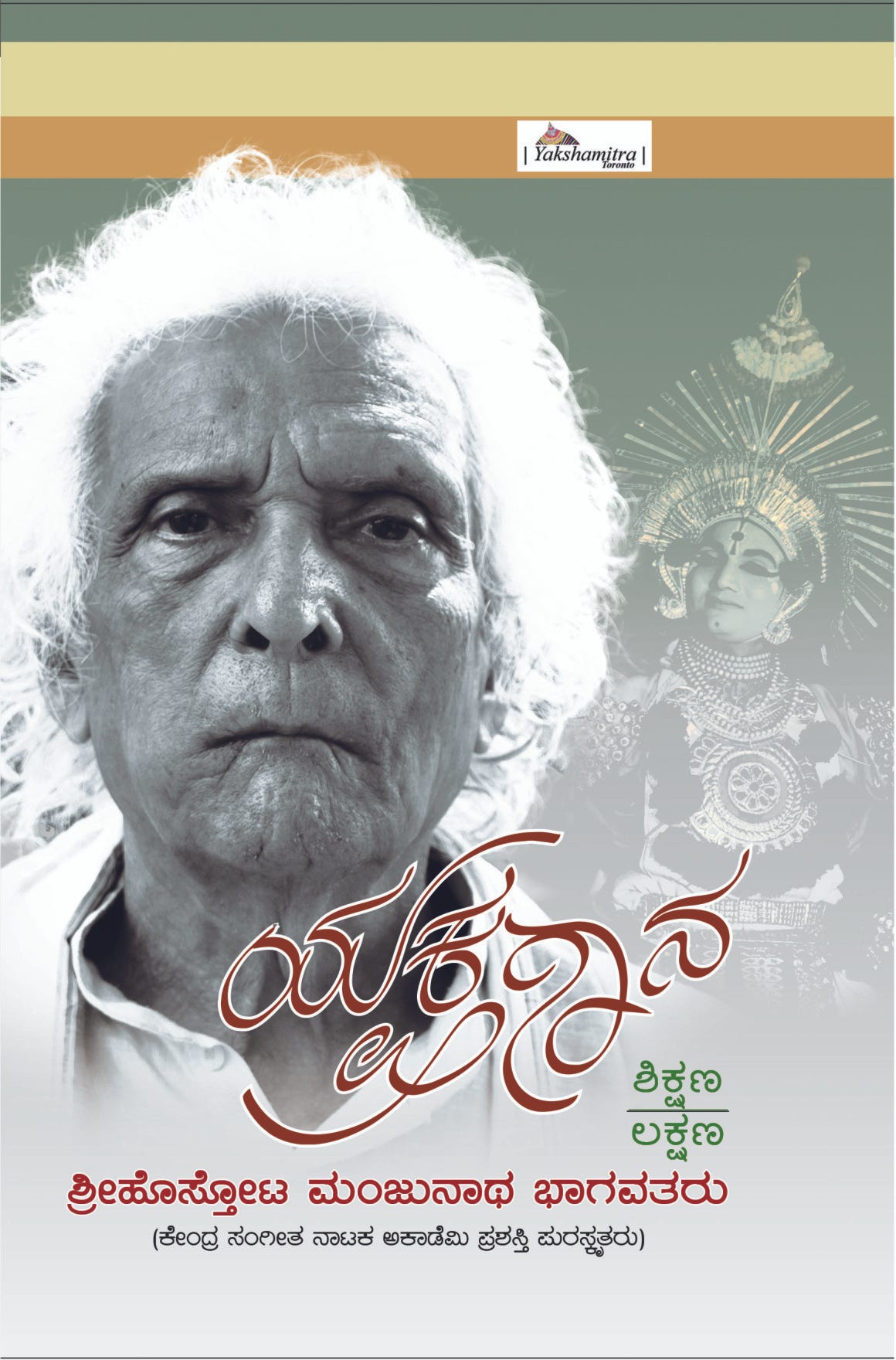
ಯಕ್ಷಮಿತ್ರದಿಂದ ಹೊಸ್ತೋಟ ಭಾಗವತರ ಯಕ್ಷಗಾನ ಲಕ್ಷಣ ಗ್ರಂಥ ಪ್ರಕಟಣೆ
ಪುಸ್ತಕಕ್ಕಾಗಿ ಸಂಪರ್ಕಿಸಿ ಅಮೇರಿಕಾಸ್: +16473283934 ಭಾರತ — ರವೀಂದ್ರ ಮುದ್ರಣಾಲಯ ಸಾಗರ, ಮೋ: +9194495872...
-
[This is a Screen Shot -Visit http://shruti.hejje.com for Yakshashruti] I have created a small application that allow...
-
 This post solves an illusion/riddle named Spinning Lady, doing rounds on the Internet and demonstrates how to get rid of the illusion. F...